

Distribution and Levels of Contaminants of Emerging Concern in Surface Water of Imo River, Nigeria: A Non-Targeted Analysis.
- a Michael Okpara University of Agriculture
Highlights
- Assessed contaminants of emerging concern (CECs) in Imo River surface water using non-targeted GC-MS analysis.
- Nine samples were collected from Ekenobizi, Owerrinta, and Oyigbo.
- Non-targeted GC-MS screening identified 21 CECs at Ekenobizi, 27 at Owerrinta, and 40 at Oyigbo.
- Major contaminant groups included siloxanes, fatty acids, alkanes/alkenes, amines, and fluorinated compounds.
- Contaminants were linked to industrial, agricultural, petroleum, pharmaceutical, and personal-care activities.
- Findings highlight widespread contamination and the need for sustained monitoring and control.
Abstract
This is an assessment of the distribution and
levels of contaminants of emerging concerns (CECs) in the surface water of Imo
River, Nigeria using the non-target approach. Three (3) locations - Ekenobizi (Imo State), Owerrinta (Abia State)
and Oyigbo (Rivers State) along the
river were sampled based on high human density with much anthropogenic
activities. Surface water samples were collected from upstream, midstream and
downstream of each of the locations using the grab sampling method and taken to
the laboratory for analysis within three hours after sampling. A non- targeted
screening was done using gas chromatography – mass spectrometry (GC-MS) after
preparation of the samples. The results showed contamination of the river with
eighty – five (85) unique CECs distributed as follows; 21 CECs at Ekenobizi
axis, 27 CECs at Owerrinta axis and 40 CECs at Oyigbo axis. Some of the CECs
were location specific while some were detected across the three sampling
points and locations. Among the detected compounds were siloxanes, fatty acids,
amines, alkanes/alkenes, fluorinated organic compounds, Nitrogenous based
compounds and other organic chemicals. These chemicals are traceable to
pharmaceutical and personal care products, agro-chemicals, and other industrial
chemicals and they exhibit varying degrees of ecological risks.
Keywords
Introduction
Many recent environmental studies have shown increasing presence of contaminants of emerging concern (CECs) in the environment. The aquatic environment is impacted significantly, raising global concerns due to potential adverse effects CECs could have on aquatic life, human health and the entire environment even at low concentrations (Sauve & Desrosiers, 2014; Yuange et al., 2024; Jianglu et al., 2024 ).
In a review of how one defines emerging contaminants preferably termed “contaminants of emerging concern” and what can be included in that group of contaminants, Sauve and Desrosiers, (2014) gave a historical perspective on the evolution of the issues surrounding emerging contaminants and how environmental scientists have tackled this issue. They noted that it began with global lead contamination from the Romans two millennia ago, moved on to arsenic-based and Dichlorodiphenyltrichloroethane (DDT) issues and more recently to pharmaceuticals, cyanotoxins, personal care products, nanoparticles, flame retardants, etc. Contaminants of emerging concern will remain a moving target as new chemical compounds are continuously produced and science continuously improves its understanding of current and past contaminants.
Contaminants of emerging concern (CECs) also referred to as emerging contaminants (ECs), or emerging pollutants (EPs), can be defined as newly identified synthetic or naturally occurring chemicals or biological agents that are detected in the environment and potentially hazardous or recently determined to be hazardous to humans and ecosystems. The risks associated with these contaminants are not fully understood, their toxicological significance is difficult to assess and generally accepted concentration limits for drinking water and discharge limits for wastewater effluent have not yet been established (Pal et al., 2014) . They may include pharmaceuticals and personal care products (PPCPs), per- and poly-fluoroalkyl substances (PFAS), endocrine disruptors (EDs), emerging pathogens, cyanotoxins and other natural toxins, pesticides, industrial chemicals, micro/nano plastics, nanomaterials, antibiotic resistance genes (ARGs), and other exogenous substances that are found in the environment but are not yet well understood in terms of their impacts on humans and natural ecosystems (Fang et al., 2024; Enyoh et al., 2020; Ebele et al., 2017). The occurrence of these contaminants in the aquatic environment and especially in surface water is a serious public health concern because potable drinking water and water for other uses are primarily sourced from surface and ground waters in many countries (Abafe et al., 2023, Galindo-Miranda et al,. 2019)
Conventional water treatment processes were designed to tackle known inorganic and organic pollutants but with the increasing list of pollutants, treatment of water to potable standards have become increasingly difficult (Abafe et al., 2023). The analysis of these pollutants in water for treatment and management purposes is usually achieved through targeted analysis approach, using established and validated liquid chromatography, coupled with gas chromatography mass spectrometry detection techniques (Pitarch et al., 2010). However, these established techniques only cover a fraction of known pollutants, leaving many legacy and emerging compounds undetected and unstudied. Target analysis alone does not present the actual pollution status of the water systems (Abafe et al., 2023).
Non-targeted analysis (NTA) methods have unique value in that they can garner informative chemical measurements from samples of interest without the need for predefined chemical targets (McCord et al., 2022). The non–targeted analysis of environmental samples generally starts with the collection of samples to be analyzed, followed by analysis in which full scan mass spectrum (MS) data as well as tandem mass spectrum (MS/MS) fragmentation information is collected for identification purposes (Ng, 2021). After the data is acquired, one of the most important steps is the data pre-processing as it is required to make sense of the data and reduce not only the quantity, but also the complexity. This is done through a series of processes such as the detection of peaks, alignment of retention times, background subtraction using blanks. The final step in the identification of compounds of interest by NTA involves utilizing all the information obtained from the previous steps, in which the MS and MSn data are matched up with their respective molecular ion, isotopic pattern and fragments (Hollender et al., 2017; Ng, 2021). In a Study conducted by Wu et al., (2023), a total of 70 CECs was detected at least once at selected seventeen (17) sampling sites along the Yangtze River. Twenty-four (24) CECs were detected at each site, and these were mostly pharmaceutical, personal care products and pesticides.
The Imo River located in south eastern Nigeria is a very important water resource that supports different human activities including, but not limited to fishing, agriculture, and domestic usage (Ogbonna et al., 2021). For the assessment of the occurrence and distribution of priority contaminants of emerging concern in Imo River, a non-targeted approach was employed to give insights into the actual CEC pollution level of the river.
Materials and Methods
Study Area
The Imo River, located in Southeastern Nigeria originates from the Imo State, and flows through Abia, Rivers and Akwa ibom states of Nigeria into the Atlantic ocean (Ogbonna et al., 2021). According to the location/topographic map of the study region, the Imo River Basin is located between latitudes 4° 38'N and 6° 01'N and between longitudes 6° 53'E and 7° 32'E. It has an approximate area of 9100 km2 (Uma, 1989). Three (3) sampling locations along the Imo river were selected for the study based on high human density with much anthropogenic activities. The three locations were, Ekenobizi (Imo State), Owerrinta (Abia State) and Oyigbo (Rivers State) (Figure 1). The coordinates for each of the sampled points were as follows; Ekenobizi upstream (Lat 5.5588230, Long. 7.4135930), midstream (Lat 5.5588520, Long. 7.4140240), downstream (Lat 5.5588120, Long. 7.4140570), Owerrinta upstream (Lat 5. 30586, Long. 7.28721), midstream (Lat 5. 30599, Long. 7.28721), downstream (Lat 5.30776, Long. 7.28748) and Oyigbo upstream (Lat 4.89035, Long. 7.14274), midstream (Lat 4.88812, Long. 7.14351), downstream (Lat 4.88566, Long. 7.14792).
The activities around the chosen locations as observed during reconnaissance surveys include dredging and collection of sharp sand, waste disposal and fishing common to the three locations. Other activities observed were farming activities, a major market that sold various household items and building materials , including various grinding mills at Ekenobizi area, animal sacrifices at the Owerrinta area and illegal petroleum exploration and a major abattoir at the Oyigbo area.
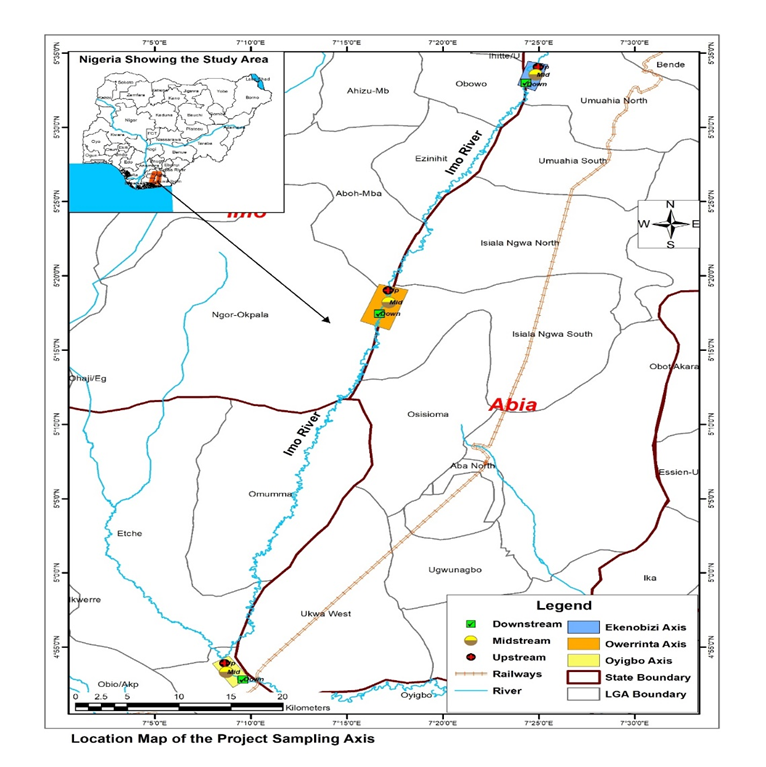 Figure
1: Overview of the Study Area and Sampled Locations
Sampling
Surface water samples were collected from the upstream, midstream and downstream parts of the river making three samples from each of the sampling locations (Ekenobizi, Owerrinta and Oyibo respectively) using the grab sampling method (APHA, 2017). The help of local fishermen was employed at each of the locations to collect the samples using new and clean plastic bottles at a depth of 0.1 – 0.5 meters. The plastic bottles were thoroughly rinsed with the river water at every sampling point to avoid interference from unwanted impurities. The samples were collected directly into the bottles and filled to the brim leaving no space and covered tightly. Samples were moved to the lab for testing immediately after collection from each of the locations within three hours. A total of nine (9) samples were collected, three from each of the sampled locations.
Laboratory Analysis
The method used for the laboratory analysis was the Gas Chromatography/Mass Spectometry (GC/MS) scan as described in Sunkara et al (2025). The GC/MS combines the separation powers of gas chromatography with the detection capabilities of mass spectrometry to enhance the efficiency of sample studies. This technique is well-recognised for its ability in unknown compound analysis. It enables the analysis of a broad range of compounds including organic acids, amino acids, sugars, fatty acids, sterols, and various xenobiotics (Sunkara et al,2025).
The surface water samples were prepared as follows: 500ml of each of the surface water samples was introduced into a separating funnel, alongside equal volume of organic solvent (methanol) as the extracting solvent. The mixture was agitated and vent intermittently to release pressure. The agitation lasted for 15 minutes before allowing the two immiscible liquids to separate into layers. The stopper of the separating funnel was removed and the organic layer was released into the beaker through a glass funnel stuffed with glass wool and covered with sodium anhydrous sulphate. The extract was allowed to concentrate in the fume hood and packed in the GC vial at exactly 1ml concentration.
The GC works on the principle that a mixture will separate into individual substances when heated. The heated gases are carried through a column with an inert gas (such as helium). As the separated substances emerge from the column opening, they flow into the MS. Mass spectrometry identifies compounds by the mass of the analyte molecule. A library of known mass spectra, covering several thousands of compounds, is stored on a computer. Mass spectrometry detector identifies these analytes and match them with library. Identification is based on the molecular structure, molecular mass and calculated fragments elucidated by the MS Quadrupole mass analyser filtered on a mass to charge basis by the HED (High energy diode). They are qualitatively interpreted with aid of National Institute standard and Technology (NIST) spectrum database NIST 08 model. The name, molecular weight and structure of the components of the material are ascertained by use of the library. The relative percentage amount of each component was obtained by comparing its average peak area to the total area, the spectrum of the unknown components are compared to the 2008 version, through which the various spectra extractions and interpretation are obtained.
The Conc (mg/l) = % amount × 0.002 × 1000 (recall that 500ml of surface water samples were used for extraction)
Statistical analysis
The study adopted tabular representation of findings and the use of a chart to summarize and describe findings for clarity. The hypothesis of the study was formulated and tested using the Analysis of Variance (ANOVA) at 95% level of significant. As inferential statistics, ANOVA allows for exploring the statistically significant differences between two or more variances. One-ANOVA was adopted for the hypotheses testing and it is expressed as thus;
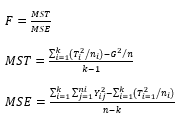
Where;
F= Variance ratio of the overall test
MST= Mean Square due to treatment /groups (between groups)
MSE= Mean square due to error (within groups, residual mean square)
Yij= an Observation
Ti= Group total
G= Grand total of all observations
ni= number in the group i and n is total number of observations
Results and Discussion
The outcome of the non-targeted scan for CECs in the surface water across the sampled axes of the Imo River is presented in Figure 2 and Tables 1 to 3. A total of eighty-five (85) CECs were detected which detailed as 21 CECs at Ekenobizi axis (23%), 27 CECs at Owerrinta axis (32%) and 40 CECs at Oyigbo axis (45%) across the upper stream (US), midstream (MS) and downstream (DS) points of each location.
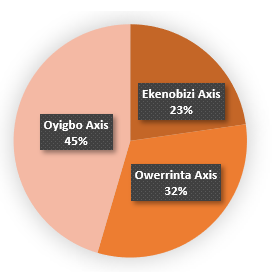
Figure 2: Total CECs in Surface Water across the Sampled Axes of the Imo River
At Ekenobizi axis (Table 1), Acetaldehyde (C₂H₄O) was detected at 7.64 mg/L at the upstream (U.S) point, but not detected downstream, Ethylene oxide (C₂H₄O) ranged from 7.214 mg/L (U.S) to 8.13 mg/L (MS), Eicosamethyl cyclodecasiloxane (C₂₀H₆₀O₁₀Si₁₀) recorded 7.76 mg/L (U.S), rising to 18.96 mg/L (M.S) and 19.02 mg/L (D.S), Ethyl 2-((diethoxyphosphoryl)oxy)-3,3,3 trifluoropropanoate peaked at 18.04 mg/L (D.S). Several compounds like 2-methyl Adenosine, 1-Heptadecanamine, Hexadecanoic acid derivatives were location-specific, ranging from 5.76 mg/L to 14.58 mg/L. Octadecamethyl cyclononasiloxane showed high concentration in both US (12.18 mg/L) and D.S (12.34 mg/L), Among all the CECs, Eicosamethyl cyclodecasiloxane (C₂₀H₆₀O₁₀Si₁₀),
Table 1: CEC Concentration in the Surface Water at Ekenobizi Axis of Imo River
|
|
Name Of Compound
|
Formulae |
Surface Water (mg/l) |
||
|
US |
MS |
DS |
|||
|
1 |
Acetaldehyde |
C2H4O |
7.64 |
ND |
ND |
|
2 |
Ethylene oxide |
C2H4O |
7.214 |
8.13 |
ND |
|
3 |
Eicosamethyl cyclodecasiloxane, - |
C20H60O10Si10 |
7.76 |
18.96 |
19.02 |
|
4 |
Ethyl 2-((diethoxyphosphoryl)oxy)- 3,3,3 trifluoropropanoate |
C9H16F3O6P |
11.9 |
15.74 |
18.04 |
|
5 |
2-methyl Adenosine, - |
C11H15N5O4 |
ND |
6.09 |
7.38 |
|
6 |
1-Heptadecanamine |
C17H37N |
ND |
10.81 |
12.31 |
|
7 |
Hexadecanoic acid,2,2,3,3,4,4,5,5 ,6,6,7,7 dodecafluoroheptyl ester |
C23H34F12O2 |
ND |
12.32 |
14.58 |
|
8 |
4,6-dimethoxy-5-nitro- Pyrimidine |
C6H7N3O4 |
10.18 |
ND |
ND |
|
9 |
Hex-5-enylamine |
C6H13N |
9.14 |
ND |
ND |
|
10 |
Octadecamethyl cyclononasiloxane, - |
C18H54O9Si9 |
12.18 |
5.97 |
12.34 |
|
11 |
1-Dodecanamine |
C12H27N |
ND |
5.76 |
ND |
|
12 |
1,1,1,5,7,7,7-Heptamethyl-3,3- bis(trimethylsiloxy)tetrasiloxane |
C13H40O5Si6 |
10.2 |
ND |
ND |
|
13 |
L-Alanine, 3-[(aminocarbonyl)amino ]- |
C4H9N3O3 |
7.54 |
4.66 |
ND |
|
14 |
Silane,[[4-[1,2-bis[(trimethyls yl)oxy]ethyl]-1,2phenylene]bis(oxy)] bis[trimethyl- |
C20H42O4Si4 |
6.56 |
ND |
ND |
|
15 |
3,5,5-trimethyl 1-Hexanamine |
C9H21N |
9.84 |
ND |
ND |
|
16 |
Hexasiloxane, tetradecamethyl- |
C14H42O5Si6 |
12.36 |
ND |
ND |
|
17 |
18-Nonadecen-1-amine |
C19H39N |
ND |
13.48 |
15.10 |
|
18 |
Phthalic acid, butyl hexyl ester |
C18H26O4 |
ND |
6.52 |
ND |
|
19 |
3-Butyn-1-ol |
C4H6O |
ND |
ND |
9.50 |
|
20 |
N-[1-[(butylchloroboryl)oxy]-2 chloroethylidene]-2-chloro Ethanimidamide |
C8H14BCl3N2O |
ND |
22.38 |
21.78 |
|
21 |
Decyl 3,5-dimethylphenyl ester Phthalic acid |
C26H34O4 |
ND |
ND |
7.52 |
US = Upstream, MS = Midstream, DS = Downstream, ND = Not detected
At Owerrinta Axis (Table 2), 1,1,1,5,7,7,7-Heptamethyl...tetrasiloxane (C₁₃H₄₀O₅Si₆) recorded an exceptionally high value of 160.24 mg/l (US), 6-Octadecenoic acid (C₁₈H₃₄O₂) showed 152.6 mg/L (MS), Decanedioic acid bis(2-ethylhexyl) ester
At Oyigbo Axis (Table 3), Pentadecane, 2,6,10,14-tetramethyl was most abundant at 19.82 mg/l (US), with 15.86 mg/l at DS. High concentration of CECs was detected with Hexadecane (19.16 mg/l US), Nonadecane (19.62 mg/l US), and Eicosane (20.52 mg/kg US). Tridecane, Tetradecane, Undecane, and Methylene Chloride were also present in trace amounts (≤1.66 mg/l). A significant outlier was Trimethyl(4-tert.-butylphenoxy)silane at 180.68 mg/l (M.S). Among all the CECs, Eicosane (C20H42), Heneicosane (C21H44) and Pentacosane (C25H52) were detected across US, MS and DS.
Table 2: CEC Concentration in the Surface Water Samples at Owerrinta Axis of Imo River
|
|
Name Of Compound
|
Formulae |
Surface Water Conc. (mg/l) |
||
|
US |
MS |
DS |
|||
|
1 |
n-Hexadecanoic acid |
C16H32O2 |
ND |
8.82 |
7.13 |
|
2 |
1,1,1,5,7,7,7-Heptamethyl-3,3- bis(trimethylsiloxy)tetrasiloxane |
C13H40O5Si6 |
160.24 |
ND |
ND |
|
3 |
6-Octadecenoic acid, (Z)- |
C18H34O2 |
ND |
152.6 |
ND |
|
4 |
Decanedioic acid, bis(2-ethylhexyl) ester |
C26H50O4 |
12.92 |
10.4 |
146.3 |
|
5 |
cis-Vaccenic acid |
C18H34O2 |
15.4 |
ND |
4.42 |
|
6 |
Oleic Acid |
C18H34O2 |
ND |
3.58 |
21.2 |
|
7 |
Eicosane |
C20H42 |
ND |
2.03 |
2.25 |
|
8 |
Terephthalic acid, di(2-ethylhexyl) ester |
C24H38O4 |
ND |
1.38 |
2.18 |
|
9 |
Tetrapentacontane, 1,54-dibromo- |
C54H108Br2 |
0.14 |
1.92 |
ND |
|
10 |
Hexasiloxane, tetradecamethyl- |
C14H42O5Si6 |
5.98 |
ND |
ND |
|
11 |
Cyclohexane, 1-(1,5-dimethylhexyl)-4-(4-methylpentyl)- |
C20H40 |
ND |
2.54 |
ND |
|
12 |
Octacosyl heptafluorobutyrate |
C32H57F7O2 |
0.06 |
1.16 |
ND |
|
13 |
trans-13-Octadecenoic acid |
C18H34O2 |
ND |
1.44 |
ND |
|
14 |
Ethanol, 2-(hexadecyloxy)- |
C18H38O2 |
ND |
3.74 |
ND |
|
15 |
p-Menth-8(10)-en-9-ol, cis- |
C10H18O |
ND |
4.36 |
ND |
|
16 |
Hexadeca-2,4,15-trienoic acid, ethyl ester |
C18H30O2 |
0.2 |
ND |
ND |
|
17 |
Triacontyl pentafluoropropionate |
C33H61F5O2 |
0.06 |
ND |
ND |
|
18 |
Bromoacetic acid, octadecyl ester |
C20H39BrO2 |
0.02 |
ND |
ND |
|
19 |
17-Pentatriacontene |
C35H70 |
0.00 |
ND |
ND |
|
20 |
2-Benzo[1,3]dioxol-5-yl-8-methoxy-3-nitro-2H-chromene |
C17H13NO6 |
0.28 |
ND |
ND |
|
21 |
Cyclononasiloxane, octadecamethyl- |
C18H54O9Si9 |
2.10 |
ND |
ND |
|
22 |
2-Hexadecene, 3,7,11,15-tetramethy l-, [R-[R*,R*-(E)]]- |
C20H40 |
0.8 |
ND |
ND |
|
23 |
Trisiloxane, 1,1,1,5,5,5-hexamethyl-3,3- bis[(trimethylsilyl)oxy]- |
C12H36O4Si5 |
1.78 |
ND |
ND |
|
24 |
p-Menth-8(10)-en-9-ol, cis- |
C10H18O |
ND |
ND |
0.074 |
|
25 |
Oxirane, decyl- |
C12H24O |
ND |
ND |
0.09 |
|
26 |
Hexatriacontyl pentafluoropropionate |
C39H73F5O2 |
ND |
ND |
0.62 |
|
27 |
9-Octadecenal, (Z)- |
C18H34O |
ND |
ND |
6.14 |
US = Upstream, MS = Midstream, DS = Downstream, ND = Not detected
Table 3: CEC Concentration in the Surface Water Samples at Oyigbo Axis of Imo River
|
|
Name of Compound
|
Formulae |
Surface Water (mg/kg) |
||
|
US |
MS |
DS |
|||
|
1 |
Pentadecane, 2,6,10,14-tetramethyl |
C19H40 |
19.82 |
ND |
15.86 |
|
2 |
Hexadecane, 2,6,10,14-tetramethyl- |
C20H42 |
19.16 |
ND |
14.18 |
|
3 |
Dodecane, 2,6,11-trimethyl- |
C15H32 |
0.14 |
ND |
1.5 |
|
4 |
2-Bromo dodecane |
C12H25Br |
7.44 |
ND |
5.88 |
|
5 |
Nonadecane |
C19H40 |
19.62 |
ND |
13.34 |
|
6 |
Eicosane |
C20H42 |
20.52 |
0.58 |
14.58 |
|
7 |
Heneicosane |
C21H44 |
20.42 |
0.74 |
14.9 |
|
8 |
Docosane |
C22H46 |
18.84 |
ND |
16.66 |
|
9 |
Tricosane |
C23H48 |
15.52 |
3.16 |
13.09 |
|
10 |
Tetracosane |
C24H50 |
10.74 |
ND |
18.7 |
|
11 |
Dodecane |
C12H26 |
ND |
ND |
0.16 |
|
12 |
Undecane, 2,6-dimethyl- |
C13H28 |
ND |
ND |
0.2 |
|
13 |
Tridecane, 7-methyl- |
C14H30 |
ND |
ND |
0.44 |
|
14 |
Tridecane |
C13H28 |
ND |
ND |
1.66 |
|
15 |
Tetradecane |
C14H30 |
ND |
ND |
1.54 |
|
16 |
Decahydro-4,4,8,9,10 pentamethylnaphthalene |
C15H28 |
0.42 |
ND |
1.46 |
|
17 |
Undecane |
C11H24 |
ND |
ND |
3.42 |
|
18 |
Pentadecane |
C15H32 |
2.68 |
ND |
8.64 |
|
19 |
Hexadecane |
C16H34 |
4.72 |
ND |
4.96 |
|
20 |
Pentacosane |
C25H52 |
10.66 |
0.48 |
17.60 |
|
21 |
Hexacosane |
C26H54 |
ND |
ND |
13.52 |
|
22 |
Heptacosane, 1-chloro- |
C27H55Cl |
2.46 |
ND |
2.44 |
|
23 |
Eicosane, 10-heptyl-10-octyl- |
C35H72 |
ND |
ND |
1.26 |
|
24 |
17.alpha.(H),21.beta.(H)-Hopane |
C35H72 |
0.94 |
ND |
0.86 |
|
25 |
Docosyl pentafluoropropionate |
C25H45F5O2 |
0.08 |
ND |
ND |
|
26 |
2,6,10-Trimethyltridecane |
C16H34 |
2.14 |
ND |
ND |
|
27 |
Tetradecane, 2,6,10-trimethyl- |
C17H36 |
2.84 |
ND |
ND |
|
28 |
Heptadecane, 3-methyl- |
C18H38 |
2.62 |
ND |
ND |
|
29 |
Heptacosane |
C27H56 |
4.14 |
ND |
ND |
|
33 |
Octacosane |
C28H58 |
0.62 |
ND |
ND |
|
31 |
28-Nor-17.alpha.(H)-hopane |
C29H50 |
0.86 |
ND |
ND |
|
32 |
Methylene Chloride |
CH2Cl2 |
ND |
0.57 |
ND |
|
33 |
Octadecane, 3-ethyl-5-(2-ethylbutyl)- |
C23H48 |
ND |
0.50 |
ND |
|
34 |
Benzo[h]quinoline, 2,4-dimethyl- |
C15H13N |
ND |
0.16 |
ND |
|
35 |
Terephthalic acid, 2-ethylhexyl octyl ester |
C24H38O4 |
ND |
0.34 |
ND |
|
36 |
Octadecane |
C18H38 |
ND |
0.28 |
ND |
|
37 |
Decanedioic acid, bis(2-ethylhexyl ) ester |
C26H50O4 |
ND |
10.94 |
ND |
|
38 |
Silicic acid, diethyl bis(trimethylsilyl) ester |
C10H28O4Si3 |
ND |
0.8 |
ND |
|
39 |
Corydaldine |
C11H13NO3 |
ND |
0.18 |
ND |
|
40 |
Trimethyl(4-tert.-butylphenoxy)silane |
C13H22OSi |
ND |
180.68 |
ND |
US = Upstream, MS = Midstream, DS = Downstream, ND = Not detected
Table 4 shows the parent groups of the detected CECs and their percentages in relation to the total number of CECs detected in each location. At Ekenobizi, the water samples showed higher percentage of Siloxanes/Silanes and Amines/Amides at 23.8% for each of both groups followed by Fatty acids/esters/derivatives at 14.3% and Alkanes/Alkenes at 9.5%. The rest of the groups were at 4.8% each and the miscellaneous group ranked 9.5%. At Owerrinta, the water samples had Fatty acids/esters and derivatives at 33.3%, Alkanes/Alkenes at 18.5%, Siloxanes/silanes at 14.8%, Fluorinated organic compounds and Alcohols/glycols at 11.1% each, polycyclic and Aromatic group at 3.7% and the miscellaneous group at 7.4%. At Oyigbo, the water samples showed a high content of Alkanes/Alkenes at 72.5%. Siloxanes/ Silanes, Fatty acids/ Esters/Derivatives and the Polycyclic/Aromatics groups all contributed 5% each; Fluorinated organic compounds, 2.5% and the Miscellaneous group 10%.
|
Group |
Ekenobizi |
Owerrinta |
Oyigbo |
|
Siloxanes and Silanes |
23.8% |
14.8% |
5% |
|
Fatty acids, Esters and Derivatives |
14.3% |
33.3% |
5% |
|
Alkanes and Alkenes |
9.5% |
18.5% |
72.5% |
|
Amines and Amides |
23.8% |
ND |
ND |
|
Fluorinated Organic Compounds |
4.8% |
11.1% |
2.5% |
|
Nitrogenous bases, Amino Acids and Peptides |
4.8% |
ND |
ND |
|
Polycyclic and Aromatic Compounds |
4.8% |
3.7% |
5% |
|
Alcohols and Glycols |
4.8% |
11.1% |
ND |
|
Pesticides and related organometallics |
4.8% |
ND |
ND |
|
Other groups / Miscellaneous |
9.5% |
7.4% |
10% |
|
TOTAL |
100% |
100% |
100% |
ND – Not detected
Research Hypothesis
From Table 5, the study’s hypothesis was tested using the ANOVA. The hypothesis was tested based on the following statement:
H0:There is no significant difference in the CECs concentrations in the surface water of samples along the Imo River
H1:There is a significant difference in the CECs concentrations in the surface water of samples along the Imo River
Based on the outcome, the null hypothesis (Ho) which stated that there is no significant difference in the CECs concentrations in the surface water of samples along the Imo River was not rejected (where p > 0.05, p = 0.992).
|
|
Sum of Squares |
Df |
Mean Square |
F |
Sig. |
|
|
Surface Water |
Between Groups |
0.577 |
2 |
0.289 |
0.008 |
0.992 |
|
Within Groups |
2164.355 |
57 |
37.971 |
|
|
|
|
Total |
2164.932 |
59 |
|
|
|
|
Previous studies have indicated that the aquatic environments. are receptacles for domestic and industrial wastes. The widespread detection of siloxanes in surface water, particularly at concentrations exceeding 160 mg/L, reflects the increasing use of personal care products, lubricants, and industrial materials, consistent with global reports of siloxane pollution in aquatic environments (Mojsiewicz-Pieńkowska et al., 2016). Siloxanes, commonly used in personal care products and industrial applications, are known for their resistance to degradation, potential for bioaccumulation, and endocrine-disrupting effects (Wang et al., 2013). The elevated levels detected, particularly near populated or industrial zones, suggest anthropogenic discharges, consistent with reports of siloxane contamination near urban water bodies (Horii & Kannan, 2008).
Fatty acids, such as Hexadecanoic acid and cis-Vaccenic acid, detected at significant concentrations, have been previously associated with anthropogenic input from domestic, industrial and agricultural sources(Rudel et al., 2011, Meng et al., 2020). The detection of fluorinated fatty acid derivatives like Hexadecanoic acid, dodecafluoroheptyl ester raises concerns due to their association with perfluoroalkyl substances (PFAS). PFAS are globally recognized for their environmental persistence and bioaccumulation, posing risks to aquatic life and human health (Giesy & Kannan, 2002). Their detection in Imo River samples reflects patterns seen in polluted rivers worldwide, such as the Danube and Rhine (Ahrens et al., 2010). High detection of fluorinated organics, including Triacontyl pentafluoropropionate and Octacosyl heptafluorobutyrate, reflects global concerns over PFAS-related compounds. PFAS contamination has been linked to adverse health outcomes in fish, such as liver damage and hormonal disruptions (De Silva et al., 2021). The findings corroborate similar studies in West African aquatic systems, where PFAS residues have been reported at concerning levels, necessitating urgent monitoring (Olutona et al., 2023).
The widespread presence of linear and branched alkanes (Pentadecane, Heptacosane, Eicosane), alongside PAH derivatives and biomarkers like Hopanes, suggests inputs from petroleum-related activities, urban runoff, or atmospheric deposition. Studies have shown that aliphatic hydrocarbons and hopanes are reliable indicators of oil pollution and crude oil contamination in aquatic environments (Wang et al., 2004). This aligns with the results especially from the Oyigbo axis (72.5% alkanes/alkenes) where illegal petroleum exploration was observed. Additionally, PAHs, known for their mutagenic and carcinogenic properties, pose significant ecological threats (Afolabi et al., 2024). Primary long-chain amines (Nonadecylamine, Dodecanamine) and nitrogenous amides suggest sources from agrochemical formulations, detergents, or industrial effluents. Long-chain amines can exhibit aquatic toxicity and contribute to bioaccumulation in fish (Poste et al., 2014). The presence of nitrogen-containing organic pollutants in aquatic systems is increasingly documented, with evidence linking such compounds to developmental toxicity in aquatic organisms.
The identification of halogenated compounds such as Bromoacetic acid esters, Methylene Chloride, and various brominated alkanes suggests both industrial discharge and degradation by-products from chlorination processes. Such compounds are persistent, bioaccumulative, and often exhibit toxicity to aquatic life (USEPA, 2018). Halogenated hydrocarbons are established indicators of anthropogenic pollution, especially in industrialized coastal regions (UNEP, 2019). Detection of nitrogenous heterocycles (Pyrimidine derivatives, Indole compounds) and aromatic amines points to pharmaceutical and agricultural runoff, consistent with recent research linking these classes to antimicrobial resistance hotspots in aquatic ecosystems (Kümmerer et al., 2018). The co-occurrence of persistent siloxanes, Fluorinated organics, PAHs, alkanes/alkenes and Nitrogenous pollutants implies a complex mixture of contaminants, elevating risks of synergistic toxicity, bioaccumulation, and trophic transfer. Similar mixtures have been linked to endocrine disruption, reproductive impairment, and immune suppression in aquatic organisms (Ankley et al., 2005).
The Anova result which showed no significant difference among the CEC concentrations across the sampled locations suggests that the factors influencing the CEC contamination of the Imo River are similar and consistent enough across the sampled locations that they produce no measurable difference in the CEC levels. This is consistent with the similar anthropogenic presence and activities at the various locations.
Conclusion
The non-target analysis (NTA) of surface water from the Imo River at Ekenobizi, Owerrinta and Oyigbo using GCMS was able to establish the presence of various contaminant compounds of emerging concerns. A total of 85 unique CECs was detected. The detected compounds were of diverse parent/functional groups with diverse chemical characteristics.
The detection and concentration patterns of Contaminants of Emerging Concern (CECs) in the Imo River surface water reveal critical trends of environmental contamination and potential ecological risks, consistent with global studies. The findings underscore significant contamination of the Imo River system with a broad spectrum of emerging organic pollutants, including siloxanes, fatty acids, amines/amides, alkanes/alkenes and fluorinated compounds. Findings resonate with global research on the persistence, mobility, and ecological risks of these contaminants.
1. Targeted analysis of detected CECs for the purpose of setting permissible health limits and standards for treatment and management purposes.
2. Implementation of stricter monitoring and control of industrial effluents, especially from manufacturing, petroleum, and personal care product industries, which are known sources of siloxanes, amines, and fatty acids.
3.Promotion of sustainable farming practices to reduce the discharge of fatty acids and nutrient-rich compounds into the river, as supported by global mitigation strategies.
4.Establishment of a long-term, monitoring framework targeting CECs in surface water, following international guidelines for surface water quality preservation.
5.There is need for public health awareness in form of consumption advisories for surface waters and to discourage household waste disposal into the river for communities around the Imo River.
6.Replacement of high-risk compounds, particularly persistent siloxanes and fluorinated esters, with biodegradable alternatives, aligning with global green chemistry initiatives.
Declaration of Competing Interest
The authors declare that they have no known competing financial interests or personal relationships that could have appeared to influence the work reported in this paper.
Credit Authorship Contribution Statement
Humphrey–Ebenezer, J. N: Conceptualization, Methodology, Formal analysis, Investigation, Resources, Data curation, Visualization, Project administration, Writing - original draft. Nwakanma, C. & Nzegbule, E.: Supervision, Methodology, Validation, Formal analysis, Data curation, Visualization, Review & Editing.
Author Information
- Humphrey–Ebenezer Jane N — 0009-0005-5804-0843
References
Abafe, O. A., Lawal, M. A., & Chokwe, T. B. (2023). Non-targeted screening of emerging contaminants in South African surface and wastewater. Emerging Contaminants, 9(4), 100246. https://doi.org/10.1016/j.emcon.2023.100246
Afolabi, O. O., Okwori, P. B., Yemi-Jonathan, O. I. T., Wali, E., Ugwu, M. C., Ugwa, C. D., Emelu, V. O., Ugwuechendu, T. T., Bosco-Abiahu, L. C. & Asomaku, S. O. (2024) Ecotoxicological status, source apportionment and human health risk assessment of potential toxic elements in surface water and sediments of creeks along Bonny River, Nigeria, Watershed Ecology and the Environment, 6(2): 105-113. https://doi.org/10.1016/j.wsee.2024.06.001
Ahrens, L., et al. (2010). "Wastewater treatment plant as a source of polyfluoroalkyl compounds to a tidal freshwater river." Environmental Science & Technology, 44(14), 4909–4914. https://doi.org/10.1021/es100481b
Ankley, G. T., et al. (2005). "Overview of endocrine disruption in wildlife." Environmental Toxicology and Chemistry, 24(2), 374–383. https://doi.org/10.1897/04-376.1
APHA (2017). Standard Methods for the Examination of Water and Wastewater (23rd ed.). Washington DC: American Public Health Association.
De Silva, A. O., et al. (2021). "PFAS in the environment: Global distribution, fate, and exposure pathways." Science of the Total Environment, 761, 144090. https://doi.org/10.1016/j.scitotenv.2020.144090
Ebele, A. J, Abou-Elwafa Abdallah, M., & Harrad, S. (2017). Pharmaceuticals and personal care products (PPCPs) in the freshwater aquatic environment, Emerging Contaminants. 3(12): 1-16. 2405-6650.
Enyoh, C. E., & Isiuku, B. O. (2020). Determination and human health risk assessment of heavy metals in floodbasin soils in Owerri, Southeastern Nigeria. Chemistry Africa, 3(4), 1059-1071.
Fang W., Leilei, X., Kelvin, S. L., Martin, E., Ying, Z., Yuming, G., Bo, P., Hongwen, S., Taicheng, A., Guangguo, Y., Bryan, W. B., Deyi, H., Damian E., Helbling, J. S., Hao Qiu, Timothy, M. V.l, Wei, Z., Yanzheng, G., Myrna, J. S., Yi, L., Scott, X. C., & James, M. T. (2024). Emerging contaminants: A One Health perspective, The Innovation. 5(4): 2666-6758.
Galindo-Miranda ,J. M., Guízar-González, C., Becerril-Bravo, E. J., Moeller-Chávez, G., León Becerril, E. & Vallejo-Rodríguez, R. (2019). Occurrence of emerging contaminants in environmental surface waters and their analytical methodology – a review. Water Supply 19 (7): 1871–1884.
Giesy, J. P., & Kannan, K. (2002). "Perfluorochemical surfactants in the environment." Environmental Science & Technology, 36(7), 147A–152A.
Hollender, J., Schymanski, E. L., Singer, H. P., & Ferguson, P. L. (2017). Nontarget Screening with High Resolution Mass Spectrometry in the Environment: Ready to Go? Environmental Science & Technology, 51(20), 11505–11512.
Horii, Y., & Kannan, K. (2008). "Survey of organosilicone compounds in human adipose tissue and liver from the United States." Environmental Science & Technology, 42(12), 5018–5023.
Zhao, J., Guo, C., Yang, Q., Liu, W., Zhang, H., Luo, Y., Zhang, Y., Wang, L., Chen, C. & Xu, L. (2024).Comprehensive monitoring and prioritizing for contaminants of emerging concern in the Upper Yangtze River, China: An integrated approach. Journal of Hazardous Materials, 480, 135835
Kümmerer, K., et al. (2018). "Pharmaceuticals in the environment—science and policy. Environmental Science & Technology, 52(6), 2403–2410.
McCord, J. P., Groff, L. C., & Sobus, J. R. (2022). Quantitative non-targeted analysis: Bridging the gap between contaminant discovery and risk characterization. Environment International, 158, 107011.
Meng, W., He, M., Hu, B., & Mo, Y. (2020). Bioaccumulation of emerging contaminants in aquatic ecosystems: mechanisms and ecological impacts. Environmental Research, 182, 109133.
Mojsiewicz-Pieńkowska, K., et al. (2016). Siloxanes in the environment—fate and toxicity. Environmental Science and Pollution Research, 23(11), 10919–10934.
Ng, B. (2021). Non-target analysis using high-resolution mass spectrometry to characterize and remediate urban waters. FIU Digital Commons. https://digitalcommons.fiu.edu/etd/4856
Ogbonna, D. N., O. O. Ndukwu, T. K. S. Abam, and S. A. Ngah. (2021). Ecological risk assessments of heavy metal contamination in water, sediment and biota of Otamiri and Imo Rivers, Nigeria”. Journal of Scientific Research and Reports 27 (11):104-19.
Olutona, G. O., et al. (2023). "Emerging per- and polyfluoroalkyl substances in Nigerian waters: Occurrence and ecological risk." Environmental Advances, 12, 100373.
Pal, A., He, Y., Jekel, M., Reinhard, M., & Gin, K. Y. H. (2014). Emerging contaminants of public health significance as water quality indicator compounds in the urban water cycle. Environment International, 71, 46-62.
Peñalver, R., Ortíz, A., Arroyo‐Manzanares, N., Campillo, N., López-Garcı́aI., & Viñas, P. (2022). Non-targeted analysis by DLLME-GC-MS for the monitoring of pollutants in the Mar Menor lagoon. Chemosphere, 286, 131588–131588.
Pitarch, E., Portolés,T., Marín, J.M., Ibáñez, M., Albarrán, F. & Hernández, F. (2010). Analytical strategy based on the use of liquid chromatography and gas chromatography with triple-quadrupole and time-of-flight MS analyzers for investigating organic contaminants in wastewater. Anal. Bioanal. Chem., 397, pp. 2763-2776
Poste, A. E., Grung, M., & Wright, R. F. (2014). Amines and amine-related compounds in surface waters: A review of sources, concentrations and aquatic toxicity. Science of The Total Environment, 481, 274–279. https://doi.org/10.1016/j.scitotenv.2014.02.066
Rudel, R. A., et al. (2011). Bioaccumulation of synthetic chemicals: insights for human exposure and health. Environmental Health Perspectives, 119(9), 1207–1213.
Sauvé, S., Desrosiers, M. (2014) A review of what is an emerging contaminant. Chemistry Central Journal 8, 15.
Sunkara, N., Mounika, D., Lokesh, D., Spandhana, D., & Gayathri, D. (2025). A review on gas chromatography-mass spectrometry (GC-MS). International Journal of Pharmaceutical Sciences, 3(7), 1615-1622. https://doi.org/10.5281/zenodo.15864125
Tian, Z., Peter, K. T., Gipe, A. D., Zhao, H., Hou, F. F., Wark, D. A., Tarang Khangaonkar, Kolodziej, E. P., & James, C. (2019). Suspect and Nontarget Screening for Contaminants of Emerging Concern in an Urban Estuary. Environmental Science Technology, 54(2), 889–901. https://doi.org/10.1021/acs.est.9b06126
Uma, K. O. (1989). An appraisal of the Groundwater Resources of the Imo River Basin: Nigerian Journal of Mining and Geology, 25 (1& 2): 305-315
UNEP. (2019). Global Chemicals Outlook II: From Legacies to Innovative Solutions. United Nations Environment Programme.
USEPA. (2018). Toxicological Review of Halogenated Hydrocarbons. United States Environmental Protection Agency.
Wang, Z., et al. (2004). Biomarker approaches for identifying oil contamination. Marine Pollution Bulletin, 49(11-12), 1013–1021
Wang, D. G., et al. (2013). Organosiloxane pollutants in the environment. Chemosphere, 93(5), 711–725.
Wu, X., Ren, J., Xu, O., Xiao, Y., Xia Li, X. &Peng, Y. (2023). Priority screening of contaminants of emerging concern (CECs) in surface water from drinking water sources in the lower reaches of the Yangtze River based on exposure-activity ratios (EARs). Science of The Total Environment, 856, 159016. https://doi.org/10.1016/j.scitotenv.2022.159016
Yuange Yu, Zhu Wang, Bin Yao, Yaoyu Zhou, (2024). Occurrence, bioaccumulation, fate, and risk assessment of emerging pollutants in aquatic environments: A review. Science of The Total Environment, 923: 171388, https://doi.org/10.1016/j.scitotenv.2024.171388.
How to Cite This Article
Humphrey–Ebenezer, J. N., Nwakanma, C. and Nzegbule, E. C. (2025). Distribution and level of contaminants of emerging concern in surface water of Imo River, Nigeria: A non-targeted analysis. Environmental Monitoring and Pollution Studies, 2(1), 70-80 https://doi.org/10.70726/emps.2025.6575009