

Social, Economic, Cultural, and Environmental Determinants of Drug Culture Among Youths in the Niger Delta Region of Nigeria
- a University of Port Harcourt
Highlights
- Examined social, economic, cultural, and environmental determinants of drug culture among youths in Nigeria’s Niger Delta Region.
- Peer influence was the highest-rated pattern, with 76.0% agreement among respondents.
- Community visibility of youth drug use recorded 73.5% agreement.
- Social events normalising substance use and local substance availability received 72.67% and 72.0% agreement, respectively.
- Findings support integrated youth education, family engagement, employment opportunities, and community-based prevention.
Abstract
This study examined emerging trends and patterns of drug culture among youths in the Niger Delta Region of Nigeria, with particular emphasis on peer influence, social acceptance, community visibility, substance availability, and informal drug distribution networks. The study was motivated by concerns about the social and community factors that may contribute to the normalisation of substance use among young people. The Social-Ecological Model explains health-related behaviour as the product of interactions among individual characteristics, interpersonal relationships, institutions, community conditions, and broader policies. Data were analysed using descriptive statistics, including mean scores, standard deviations, frequencies, and percentages. The findings revealed substantial agreement among respondents regarding the identified emerging drug-culture patterns, with mean scores ranging from 3.70 to 4.09. Peer influence was the highest-rated pattern, recording a mean score of 4.09 (SD = 0.84), with 76.0% of respondents agreeing or strongly agreeing that peer relationships shaped youths’ substance-use behaviour. This was followed by the rising visibility of youth drug use in the community (mean = 4.03; 73.5%), the normalisation of substance use at social events (mean = 4.00; 72.67%), and increased local availability of psychoactive substances (mean = 3.99; 72.0%). Exposure through informal drug distribution networks received 69.33% agreement, while perceived social acceptance of recreational drug use among some youths recorded 69.0%. The association between drug use and youth identity or lifestyle was the lowest-rated item, although 58.83% of respondents agreed with the statement. These findings suggest that peer influence, community visibility, social normalisation, and substance availability are prominent perceived features of emerging drug culture among youths in the study area.
Keywords
Introduction
Drug use among youths has become a significant public health and social development concern because of its implications for physical and psychological well-being, educational attainment, family relationships, productivity, and community safety (United Nations Office on Drugs and Crime [UNODC], 2024). In Nigeria, the issue extends beyond individual behaviour, as the initiation, continued use, and misuse of psychoactive substances may be influenced by peer relationships, family circumstances, socioeconomic conditions, cultural expectations, and the availability of drugs within communities (Jacobs et al., 2020). The National Bureau of Statistics (NBS) and UNODC (2019) reported that an estimated 14.4% of Nigerians aged 15–64 years had used a psychoactive substance other than alcohol or tobacco in the preceding year, highlighting the importance of strengthening research, prevention, treatment, and policy responses to drug use in the country.
The concept of drug culture refers to the shared beliefs, attitudes, practices, social relationships, and informal norms through which drug use may become accepted, normalised, or reproduced within a particular group or community. Among youths, such a culture may develop when substance use becomes associated with friendship, recreation, social status, emotional coping, perceived confidence, or belonging to a peer group (Akers, 1998; Jacobs et al., 2020). Consequently, understanding drug culture requires more than identifying the substances being used or estimating the number of users; it also requires examining the social meanings attached to drug use and the conditions that encourage or discourage it (Jacobs et al., 2020). This perspective is particularly relevant where young people encounter conflicting influences from family expectations, peer networks, community practices, economic pressures, and changing patterns of social interaction.
The Niger Delta Region of Nigeria provides an important context for investigating these relationships because its communities experience diverse socioeconomic, cultural, and environmental conditions, including urbanisation, rural livelihoods, industrial activities, and uneven access to employment and social services. Although these conditions do not automatically cause drug use, they may shape young people's opportunities, stressors, social networks, exposure to substances, and access to preventive support. Research conducted in a semi-urban community in Bayelsa State identified peer pressure, unemployment, poverty, frustration, and the neighbourhood availability of psychoactive substances as factors associated with substance use among youths (Isabu & Iwuagwu, 2023). Similarly, a study examining rural and urban communities in Delta State reported differences in drug-use patterns and access to substances, with peer influence and socioeconomic conditions more prominent in urban settings and community norms and cultural practices relevant in rural settings (Nomayo et al., n.d.). These findings suggest that drug culture in the Niger Delta should be examined in relation to the specific social and environmental circumstances of the communities in which young people
Social determinants are central to the formation and persistence of drug culture because young people's attitudes and behaviours are shaped by family relationships, peer-group expectations, socialisation, and the desire for acceptance (Akers, 1998; Jacobs et al., 2020). Friends who use psychoactive substances may influence non-users through direct encouragement, imitation, shared recreational activities, or the perception that drug use is normal among young people (Jacobs et al., 2020). Family-related factors, including parental substance use, inadequate supervision, family conflict, and permissive attitudes towards substance use, may also influence the likelihood of experimentation among adolescents (Jacobs et al., 2020). Evidence from a study of Nigerian secondary-school adolescents found associations between drug use and factors such as friends' substance use, parental smoking, parental permissiveness, positive beliefs about drugs, and low perceptions of associated risks (study published in Drug and Alcohol Dependence, 2020). These findings indicate that the social environment can either reinforce drug-using behaviour or provide protective influences through supportive families, positive peer networks, mentorship, and effective community participation.
Economic conditions may also contribute to the emergence and persistence of drug culture among youths, particularly where unemployment, underemployment, financial insecurity, and limited opportunities for social mobility generate frustration or constrain access to constructive recreational activities (Isabu & Iwuagwu, 2023). Economic hardship may encourage some young people to use substances as a coping mechanism, while others may become involved in drug-related networks where substances are readily available or where participation is linked to income-generating activities (NBS & UNODC, 2019; Isabu & Iwuagwu, 2023). However, the relationship between economic status and drug use is not necessarily straightforward, since substance use can occur among youths from different income and educational backgrounds, and economic disadvantage alone cannot explain individual behaviour (Jacobs et al., 2020). A study of secondary-school adolescents across Nigeria's geopolitical zones, for example, found that socioeconomic status was associated with cannabis use but did not show the same association with the use of other illicit drugs (study published in Drug and Alcohol Dependence, 2020). It is therefore important to investigate how economic pressures interact with peer influence, employment opportunities, access to substances, and local social conditions rather than treating poverty or unemployment as independent explanations for youth drug use.
Cultural determinants are equally important because cultural beliefs, community expectations, shared practices, and attitudes towards particular substances may shape how drug use is understood and socially accepted (Nomayo et al., n.d.). In some settings, the use of certain substances may be associated with recreation, social gatherings, perceived toughness, relaxation, or conformity to peer-group identity, thereby reducing the perceived social risks of experimentation (Akers, 1998; Jacobs et al., 2020). Cultural acceptance should not, however, be assumed to be uniform across the Niger Delta, since communities differ in their traditions, religious beliefs, family expectations, social organisation, and attitudes towards substance use (Nomayo et al., n.d.). The reported differences between rural and urban communities in Delta State suggest that local norms and cultural practices may interact with accessibility, social exposure, and socioeconomic circumstances in shaping drug-use behaviour.
Examining these cultural influences is therefore necessary to distinguish between the mere availability of drugs and the social processes through which their use may become accepted, discouraged, or incorporated into youth identity.
Environmental determinants refer to the physical, institutional, and community conditions that influence young people's exposure to psychoactive substances and their access to prevention and support services (McLeroy et al., 1988; Jacobs et al., 2020). These conditions may include the availability of drugs within neighbourhoods, the presence or absence of youth-friendly recreational facilities, school and workplace environments, access to counselling and treatment, and the effectiveness of community-level drug-control measures (Jacobs et al., 2020). In parts of the Niger Delta, differences between densely populated urban centres, semi-urban settlements, and rural communities may create different patterns of social interaction, substance availability, and access to public services. Research in Amassoma, Bayelsa State, identified neighbourhood availability of substances alongside peer pressure and socioeconomic challenges as factors associated with youth psychoactive substance use (Isabu & Iwuagwu, 2023). Such findings reinforce the need to consider how community environments may facilitate or discourage drug use without assuming that every community facing similar environmental pressures will experience the same outcomes.
The social, economic, cultural, and environmental determinants of drug culture are interconnected rather than mutually exclusive, as young people's behaviour often develops through the combined influence of individual experiences, interpersonal relationships, community conditions, and wider institutional arrangements (McLeroy et al., 1988; Jacobs et al., 2020). For instance, unemployment may increase frustration, peer networks may provide access to substances, permissive community attitudes may reduce perceived risks, and weak access to counselling may limit opportunities for early intervention (Isabu & Iwuagwu, 2023; Jacobs et al., 2020). Conversely, supportive family relationships, effective drug education, positive peer networks, accessible treatment services, and meaningful youth-development opportunities may help prevent experimentation or reduce harmful patterns of use (Jacobs et al., 2020; NBS & UNODC, 2019). This interconnected perspective is important because interventions that focus exclusively on individual choices may overlook the broader social and structural conditions that sustain drug-use practices among young people
Despite the growing body of Nigerian research on substance use, a systematic understanding of how social, economic, cultural, and environmental influences interact to shape drug culture across the diverse communities of the Niger Delta remains important for research and policy development (Jacobs et al., 2020). Existing studies have investigated adolescent substance use nationally, social and environmental influences in Bayelsa State, and social and cultural differences in Delta State, but further context-specific investigation is needed to understand how these determinants combine to influence the emergence, acceptance, and persistence of drug-use practices among youths in the Addressing this gap can help move the discussion beyond prevalence estimates towards a deeper explanation of the conditions that shape youth drug culture and the prevention strategies that may be appropriate for different communities.
Against this background, this study examines the social, economic, cultural, and environmental determinants of drug culture among youths in the Niger Delta Region of Nigeria. Specifically, it seeks to investigate how peer and family relationships, socioeconomic pressures, cultural norms, and community environments influence young people's exposure to drugs, attitudes towards substance use, and the persistence of drug-use practices. By considering these determinants together, the study is expected to contribute to context-sensitive evidence that can inform youth-focused drug education, community prevention programmes, family engagement, accessible support services, and policies addressing the broader conditions associated with drug use in the Niger Delta (Jacobs et al., 2020; NBS & UNODC, 2019).
Concept of Drug Culture among Youths
Drug culture refers to the shared beliefs, attitudes, practices, social relationships, and informal norms through which the use of psychoactive substances becomes meaningful or socially accepted within a particular group or community (Akers, 1998). Among youths, drug culture may be reflected in peer-group expectations, recreational practices, attitudes towards particular substances, perceptions of risk, and the use of drugs to cope with stress or establish social identity (Jacobs et al., 2020). It does not imply that all youths within a community use drugs, but rather that certain social environments may normalise, encourage, discourage, or stigmatise substance use (Akers, 1998; Jacobs et al., 2020).
Drug culture may emerge through experimentation, peer socialisation, exposure to substance-using role models, and the repetition of behaviours that are rewarded or accepted within social groups (Akers, 1998). When drug use is associated with friendship, confidence, social status, pleasure, or temporary relief from emotional distress, some young people may become more willing to experiment with psychoactive substances (Jacobs et al., 2020). However, the development of drug culture varies across communities because social norms, family structures, economic opportunities, religious beliefs, and the availability of substances differ between locations (McLeroy et al., 1988; Jacobs et al., 2020).
In the Niger Delta Region of Nigeria, investigating drug culture requires attention to the diversity of urban, semi-urban, and rural communities, including differences in livelihoods, social networks, youth opportunities, and access to health services. Regional studies have identified peer pressure, economic difficulties, neighbourhood availability, and community-level influences as relevant factors in understanding substance use among young people (Isabu & Iwuagwu, 2023; Jacobs et al., 2020). Consequently, drug culture should be examined as a social and environmental phenomenon rather than solely as an individual health behaviour.
Concept of Drug Use and Substance-Use Patterns
Psychoactive substances are substances that affect mental processes such as perception, mood, consciousness, cognition, and behaviour (World Health Organization [WHO], n.d.). These substances include cannabis, opioids, sedatives, stimulants, inhalants, and certain pharmaceutical medicines when used outside appropriate medical guidance (United Nations Office on Drugs and Crime [UNODC], 2024). Drug use may involve experimentation, occasional use, repeated consumption, harmful use, or a substance-use disorder, depending on the nature and consequences of the behaviour. Substance-use patterns describe the types of substances used, frequency and circumstances of use, age at initiation, routes of administration, combinations of substances, and changes in consumption over time (UNODC, 2024). Examining these patterns is important because the substances used by young people and the circumstances surrounding their consumption may differ according to age, location, social group, and access to drugs (Jacobs et al., 2020). Research on Nigerian university students has also demonstrated the importance of examining the prevalence, frequency, and correlates of recreational drug use rather than treating all users as a homogeneous group (Ajayi & Somefun, 2020). It is also necessary to distinguish between drug availability, experimentation, regular use, harmful use, and dependence because these concepts represent different dimensions of substance-related behaviour. A young person who has experimented with a substance may not necessarily develop a disorder, while repeated use that continues despite significant harm may require clinical assessment and appropriate treatment (WHO, n.d.; UNODC, 2024). Accordingly, research on drug culture in the Niger Delta should assess both the social acceptance of substance use and the actual behaviours reported by respondents.
Social Determinants of Drug Culture
Social determinants are interpersonal and institutional conditions that influence how young people encounter, understand, and engage in drug use. These conditions include family relationships, peer-group influence, social networks, parental supervision, school experiences, community relationships, and exposure to substance-using role models (Jacobs et al., 2020). Social learning perspectives suggest that individuals may acquire behaviours through observing others, interacting with peers, and learning the perceived rewards and consequences associated with particular actions (Akers, 1998). Peer influence is particularly relevant during adolescence and young adulthood because acceptance, friendship, belonging, and social recognition can become important motivations for behaviour. When drug use is common within a peer group, young people may perceive it as normal or necessary for participation in group activities, particularly where non-use attracts ridicule or exclusion (Akers, 1998; Jacobs et al., 2020). Nevertheless, peers may also discourage drug use, meaning that social networks can function as either risk factors or protective influences. Family circumstances may further shape young people's attitudes towards drugs through parental behaviour, supervision, communication, emotional support, and the consistency of household expectations. Supportive family relationships and clear communication about substance-related risks may discourage experimentation, whereas persistent family conflict, weak supervision, and exposure to substance use at home may increase vulnerability (Jacobs et al., 2020). Understanding these relationships in Niger Delta communities can help explain how family and peer experiences interact with broader community conditions to influence the emergence and persistence of drug culture.
Economic Determinants of Drug Culture
Economic determinants refer to the financial and livelihood conditions that may influence young people's exposure to drugs, reasons for consumption, and access to preventive or treatment services. Relevant factors include unemployment, underemployment, income insecurity, poverty, educational costs, limited vocational opportunities, and perceived lack of social mobility (Nigerian National Bureau of Statistics & UNODC, 2019; Jacobs et al., 2020). Such conditions may contribute to stress and frustration for some young people, although economic hardship does not inevitably result in drug use. Unemployment and limited livelihood opportunities may affect how young people spend their time, form social networks, and respond to uncertainty about their future. In some circumstances, substance use may be perceived as a means of relaxation, temporary escape, or coping with personal difficulties, while in other cases it may be associated with peer-group recreation or the pursuit of social identity (Jacobs et al., 2020). These explanations should be tested empirically rather than assumed to apply to all unemployed or economically disadvantaged youths.
The economic context of the Niger Delta is diverse, with communities engaged in petroleum-related activities, trading, fishing, farming, transportation, public service, and informal employment. These different livelihood settings may influence young people's daily routines, disposable income, access to substances, and opportunities for participation in organised social activities. Research should therefore examine whether economic insecurity, employment status, income, educational attainment, and livelihood opportunities are associated with drug-use attitudes and behaviours across different Niger Delta communities, while accounting for other relevant influences (Jacobs et al., 2020; Nigerian National Bureau of Statistics & UNODC, 2019).
Cultural Determinants of Drug Culture
Cultural determinants refer to the beliefs, values, customs, social expectations, and shared meanings that influence how people perceive and respond to drug use. Culture can shape attitudes towards particular substances by influencing whether their consumption is regarded as acceptable, unacceptable, risky, pleasurable, or socially desirable within a community (Akers, 1998; Jacobs et al., 2020). Cultural influences are not necessarily uniform, as different communities and social groups may hold different views about substance use and its consequences. Among youths, cultural influences may operate through shared recreational practices, peer-group identity, social gatherings, popular entertainment, and the desire to conform to group expectations. Where substance use is portrayed as a symbol of maturity, confidence, toughness, or social acceptance, some young people may become more willing to experiment with drugs (Akers, 1998). Conversely, religious teachings, community sanctions, parental expectations, and traditional values that discourage harmful substance use may serve as protective influences (Jacobs et al., 2020).
The Niger Delta contains culturally diverse ethnic groups and communities with different traditional institutions, religious practices, family structures, and livelihood systems. These differences make it important to investigate cultural influences at the community level rather than assume that one cultural explanation applies throughout the region. The relationship between cultural norms and drug use may also change as young people interact with urban lifestyles, social media, popular culture, and wider peer networks. Research should therefore establish which cultural beliefs and practices are associated with the acceptance or rejection of drug use among youths in the selected study communities.
Environmental Determinants of Drug Culture
Environmental determinants encompass the physical surroundings, neighbourhood characteristics, institutional conditions, and community resources that may influence substance-use behaviour. Relevant factors include the availability of drugs, the presence of places where substances are consumed, school environments, recreational facilities, community safety, access to health services, and the implementation of drug-control measures (McLeroy et al., 1988; Jacobs et al., 2020). These factors may influence the opportunities young people have to encounter substances and the support available to prevent or address harmful use. The availability of psychoactive substances within a neighbourhood may reduce the practical barriers to experimentation, particularly when young people are exposed to drug-using peers or social settings where consumption is common (Jacobs et al., 2020). Weak access to recreational facilities, counselling, youth-development programmes, and treatment services may also limit alternatives to risky activities and delay assistance for those experiencing substance-related problems. Nevertheless, the presence of drugs in a community does not automatically produce drug use, since individual choices, family relationships, community norms, and perceptions of risk also influence behaviour. Environmental influences may differ between urban centres, semi-urban settlements, and rural communities across the Niger Delta. Urban settings may provide greater opportunities for contact with diverse social networks and commercial outlets, while rural communities may have different patterns of access, informal social control, and service availability. These are propositions requiring local investigation rather than assumptions about every settlement. Examining environmental determinants can help identify the community-level conditions associated with drug culture and inform locally appropriate prevention and intervention strategies.
Interaction among Social, Economic, Cultural, and Environmental Determinants
The determinants of drug culture are interconnected, and their combined influence may be more informative than examining each factor in isolation. The social-ecological perspective explains that health-related behaviours are influenced by multiple levels, including individual characteristics, interpersonal relationships, organisational settings, communities, and wider public policies (McLeroy et al., 1988). In the context of youth drug use, this means that personal decisions may be shaped by family relationships, peer networks, economic circumstances, cultural expectations, substance availability, and the quality of local support systems (Jacobs et al., 2020). For example, an unemployed young person experiencing economic frustration may spend more time with peers who use psychoactive substances, encounter environments where drugs are readily available, and adopt attitudes that portray consumption as an acceptable coping strategy. In such a situation, economic circumstances, peer influence, community accessibility, and shared social beliefs may reinforce one another. However, a supportive family, strong community participation, positive peer relationships, and access to youth programmes may interrupt this process. The interaction among these determinants suggests that effective prevention requires more than awareness campaigns directed at individual youths. It may also require family-based interventions, employment and skills-development opportunities, community engagement, school-based prevention, accessible counselling, and appropriate treatment services (Jacobs et al., 2020; UNODC, 2024). For the Niger Delta, an integrated investigation can establish which factors are most strongly associated with drug culture and whether these relationships differ across locations and socioeconomic groups.
Theoretical Framework
Social Learning Theory
Social Learning Theory, associated with Bandura (1977) and developed in the study of deviant behaviour by Akers (1998), explains how behaviour may be acquired and maintained through observation, imitation, social interaction, reinforcement, and the definitions individuals attach to particular actions. The theory proposes that people may learn behaviours by observing significant others and assessing the rewards, costs, and social consequences associated with those behaviours (Bandura, 1977; Akers, 1998). Applied to youth drug culture, the theory suggests that young people may begin using substances after observing friends, family members, or other influential individuals who consume drugs. If substance use appears to produce pleasure, peer acceptance, confidence, or social recognition, the behaviour may be reinforced and repeated. Conversely, negative consequences, disapproval from important social groups, and supportive relationships that discourage substance use may reduce the likelihood of continued consumption (Akers, 1998). The theory is relevant to the Niger Delta because it provides a framework for examining the influence of peer pressure, family behaviour, social networks, and community attitudes on the emergence and persistence of drug culture. It also helps explain why youths exposed to similar economic or environmental conditions may display different behaviours depending on their social relationships and learned expectations.
A limitation of Social Learning Theory is that it may not fully explain structural influences such as unemployment, unequal access to services, neighbourhood-level drug availability, or the broader economic circumstances affecting young people. Consequently, the theory is useful for analysing social transmission and reinforcement but should be complemented by a framework that accounts for environmental and institutional influences.
Social-Ecological Model
The Social-Ecological Model provides a framework for understanding behaviour through the interaction of individual, interpersonal, organisational, community, and policy-level influences (McLeroy et al., 1988). Rather than treating drug use as the product of personal decisions alone, the model recognises that behaviour develops within social and physical environments that can facilitate or discourage particular practices. At the individual level, factors such as age, knowledge, attitudes, risk perception, and previous experiences may influence drug-related decisions. At the interpersonal level, family relationships and peer networks may affect exposure to substances and perceptions of social acceptance. At the organisational and community levels, school environments, recreational opportunities, neighbourhood availability, community norms, and access to counselling may shape young people's experiences. At the policy level, drug-control legislation, prevention programmes, enforcement practices, and the availability of public health services may influence the conditions under which drug use occurs (McLeroy et al., 1988).
The model is appropriate for this study because the determinants under investigation extend beyond individual behaviour to include social, economic, cultural, and environmental conditions. It can guide the selection of questionnaire variables, the organisation of interview questions, and the interpretation of differences between study communities. It also supports the development of interventions that combine individual education with family engagement, community prevention, institutional support, and appropriate public policy. The model's main limitation is that identifying multiple levels of influence does not automatically establish the relative importance or causal direction of each factor. Empirical data are therefore necessary to determine which determinants are associated with drug culture among youths in the Niger Delta and how these relationships vary across the study population.
Application of the Theories to the Study
Social Learning Theory and the Social-Ecological Model are complementary frameworks for understanding drug culture among youths in the Niger Delta. Social Learning Theory explains how drug-related attitudes and behaviours may be transmitted and reinforced through peers, family members, and social networks, while the Social-Ecological Model situates those interactions within wider economic, cultural, environmental, institutional, and policy conditions (Akers, 1998; McLeroy et al., 1988). The combined framework suggests that the emergence of drug culture may be associated with exposure to substance-using peers, permissive social attitudes, economic insecurity, community availability of drugs, and limited access to preventive support. It also recognises that protective factors, including supportive families, positive peer networks, community engagement, youth-development programmes, and accessible treatment, may reduce vulnerability. The study can therefore use the two theories to organise its variables and examine how the determinants relate to the acceptance, initiation, and persistence of drug-use practices.
Materials and Methods
Research Design
The study will adopt a cross-sectional descriptive research design to investigate the social, economic, cultural, and environmental determinants of drug culture among youths in the Niger Delta Region of Nigeria. The design will enable the collection of data from selected respondents at a specific period to examine their experiences, perceptions, attitudes, and reported patterns of drug use. Cross-sectional studies are appropriate for assessing the distribution of behaviours and exploring associations between variables within a defined population (Setia, 2016). However, because the design captures information at one point in time, it will not independently establish causal relationships between the identified determinants and drug culture.
Study Area
The study will be conducted in selected communities within the Niger Delta Region of Nigeria. The region comprises communities with diverse cultural traditions, socioeconomic conditions, settlement patterns, and livelihood activities, including fishing, farming, trading, public service, and petroleum-related employment. These differences provide an important context for investigating how social relationships, economic circumstances, cultural attitudes, and environmental conditions may influence drug culture among youths.
The study locations will be selected to reflect relevant differences in settlement characteristics and community conditions. Depending on the geographical scope of the research, the selected locations may include urban, semi-urban, and rural communities. The final manuscript should identify the specific states, local government areas, and communities covered by the fieldwork rather than implying that findings from selected locations represent the entire Niger Delta automatically.
Study Population
The study population will comprise youths residing in the selected Niger Delta communities. For operational consistency, the study should specify the age range before data collection. If the study adopts the United Nations definition of youth, the target population will be individuals aged 15–24 years; if it uses a broader Nigerian youth definition, the chosen age range must be explicitly stated and justified.
The respondents will include youths with different educational backgrounds, employment statuses, income levels, and social experiences. Including respondents from diverse backgrounds will help the study examine whether the determinants of drug culture vary according to demographic and socioeconomic characteristics. Where participants below 18 years are included, the researcher must obtain the applicable parental or guardian permission and participant assent, subject to ethics approval and relevant safeguarding requirements.
Sample Size Determination
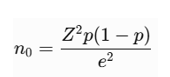
The sample size will be determined using an appropriate statistical method based on the size of the target population, the desired confidence level, the margin of error, and the expected prevalence or proportion for the principal outcome. Where the population size is unknown or sufficiently large, Cochran's (1977) formula may be applied:
Where:
n0 = initial required sample size
Z2 = standard normal value corresponding to the selected confidence level
p = estimated proportion of the population with the characteristic of interest
e2 = acceptable margin of error
For example, using a 95% confidence level (\(Z=1.96\)), an assumed proportion of 0.50 and a margin of error of 0.05 gives an initial sample size of approximately 384 respondents. This figure is illustrative and should be adjusted where the target population is finite, the sampling design requires a design effect, or non-response is anticipated. The final sample size must be justified by the actual study population and research objectives.
Sampling Technique
A multistage sampling technique will be used where the study covers multiple communities or local government areas. This approach will allow the researcher to select study locations and respondents systematically while accommodating the geographical spread of the target population.
The sampling procedure will involve the following stages:
1. Selection of study locations: Relevant states, local government areas, and communities will be selected according to the study's geographical scope and the availability of an appropriate sampling frame.
2. Selection of communities or neighbourhoods: Communities may be stratified by settlement type, such as urban, semi-urban, and rural, where this distinction is relevant to the objectives.
3. Selection of respondents: Eligible youths will be selected using simple random, systematic, or another clearly defined probability-sampling method where a reliable sampling frame is available. Where probability sampling is not feasible, the researcher must state and justify the alternative method and acknowledge its limitations.
4. Allocation of sample size: The sample will be distributed across the selected locations according to population size or a justified allocation procedure.
The researcher will document the sampling frame, eligibility criteria, selection process, and number of respondents recruited at each stage to ensure transparency and reproducibility.
Sources and Methods of Data Collection
The study will use primary data collected directly from respondents. Secondary data will be obtained from peer-reviewed journal articles, government publications, official drug-use surveys, and reports from relevant national and international organisations. The combination of these sources will provide contextual information and support the interpretation of the primary findings.
Questionnaire Administration
A structured questionnaire will serve as the principal instrument for collecting quantitative data. The questionnaire will be organised into sections covering respondents' demographic characteristics and the four major determinants of drug culture. The questionnaire will contain the following sections:
1. Section A: Demographic characteristics. Age, sex, educational attainment, employment status, and other relevant background variables.
2. Section B: Social determinants. Peer pressure, family relationships, parental supervision, social networks, and exposure to substance-using individuals.
3. Section C: Economic determinants. Employment status, income security, financial pressures, livelihood opportunities, and access to educational or vocational opportunities.
4. Section D: Cultural determinants. Community attitudes, perceived social acceptance, religious influences, shared beliefs, and peer-group expectations concerning drug use.
5. Section E: Environmental determinants. Perceived availability of substances, neighbourhood conditions, access to recreational facilities, community prevention programmes, and access to counselling or treatment.
6. Section F: Drug culture and substance-use patterns. Perceptions of the normalisation of drug use, reported exposure to substances, attitudes towards consumption, and, where ethically appropriate, self-reported use and frequency.
Most attitudinal items may be measured using a five-point Likert scale ranging from Strongly Agree to Strongly Disagree. Questions concerning actual use should be clearly distinguished from questions asking respondents how common they believe drug use is within their communities. This distinction is important because perceived prevalence does not necessarily correspond to measured prevalence.
Key Informant Interviews
Where resources and ethics approval permit, semi-structured interviews will be conducted with selected key informants who have relevant knowledge of youth welfare and community conditions. Potential participants may include youth leaders, community representatives, social workers, school personnel, healthcare professionals, and substance-use prevention practitioners.
The interviews will explore community perceptions of drug culture, changes in substance-use practices, perceived social and economic pressures, cultural attitudes, environmental influences, and existing prevention initiatives. Interviews will complement the questionnaire findings by providing contextual explanations for patterns observed in the quantitative data. Participation will be voluntary, and information will be anonymised during analysis and reporting.
Validity and Reliability of the Research Instrument
The questionnaire was subjected to face and content validation by experts in public health, sociology, geography, social research, or substance-use studies. The experts will assess the relevance, clarity, wording, and coverage of the items in relation to the study objectives. Their comments will be used to revise ambiguous or repetitive questions before the main data collection.
A pilot study will be conducted among a small group of eligible youths in a community with characteristics similar to those of the study area but excluded from the final sample where practicable. The pilot test will assess the clarity of questions, administration time, respondents' understanding, and feasibility of the data-collection procedure.
Internal consistency of multi-item scales may be assessed using Cronbach's alpha. A value of approximately 0.70 or higher is often used as a preliminary indicator of acceptable internal consistency, although the result should be interpreted in relation to the number of items and the intended construct. Reliability should be assessed separately for relevant scales rather than treating the entire questionnaire as a single scale.
Methods of Data Analysis
Quantitative data will be coded, cleaned, and analysed using the Statistical Package for the Social Sciences (SPSS) or an equivalent statistical software package. Descriptive statistics, including frequencies, percentages, means, and standard deviations where appropriate, will be used to summarise respondents' demographic characteristics and responses concerning the determinants of drug culture.
Inferential statistics will be used to examine associations between the explanatory variables and the study outcome. Chi-square tests may be used to assess associations between categorical variables, while t-tests or analysis of variance may be used to compare mean scores where their assumptions are satisfied. Binary or multinomial logistic regression may be applied where the outcome variable is categorically defined, while suitable linear regression techniques may be considered for a defensible continuous scale outcome. The choice of statistical test will depend on the measurement level of the variables, the research questions, the sampling design, and the assumptions of each test.
The principal explanatory variables will include social, economic, cultural, and environmental determinants. The outcome variable—drug culture—must be operationally defined before analysis. For example, it may be measured through a composite score reflecting perceived social acceptance, normalisation of use, peer-group expectations, and reported exposure to drug-use practices. If the study instead uses self-reported substance use as the outcome, that measure should be analysed separately from attitudes and perceived community prevalence.
Statistical significance will be assessed at the 5% level (\(p<0.05\)), with effect estimates and confidence intervals reported where applicable. The analysis will emphasise the strength and direction of observed associations rather than interpreting cross-sectional relationships as proof of causation.
Where qualitative interviews are conducted, the data will be transcribed and analysed thematically. The researcher will become familiar with the transcripts, generate initial codes, identify recurring patterns, develop themes, and interpret the themes in relation to the study objectives. Braun and Clarke's (2006) thematic-analysis approach may be used to organise this process. Findings from the qualitative and quantitative components will then be compared to identify areas of convergence, complementarity, or disagreement
Results and Discussions
Table 1 assesses respondents’ perceptions of emerging drug-culture patterns among youths. Overall, the findings indicate substantial agreement across all the items, with mean scores ranging from 3.70 to 4.09, suggesting that respondents generally perceived the identified patterns as present within their communities. The highest-rated pattern was peer influence shaping youths’ substance-use behaviour, with a mean score of 4.09 (SD = 0.84) and 456 respondents (76.0%) agreeing or strongly agreeing. This suggests that peer relationships and social networks may constitute an important influence on youth substance-use behaviour. This was followed by the rising visibility of youth drug use in the community, which recorded a mean of 4.03 (SD = 0.86), with 441 respondents (73.5%) expressing agreement. Similarly, social events promoting the normalization of substance use recorded a mean of 4.00 (SD = 0.84), with 436 respondents (72.67%) agreeing. Increased local availability of psychoactive substances also received substantial support, with a mean of 3.99 (SD = 0.86) and 432 respondents (72.0%) agreeing. Greater exposure through informal drug distribution networks recorded a mean of 3.93 (SD = 0.89), with 416 respondents (69.33%) in agreement, while recreational drug use being perceived as socially acceptable by some youths had a mean of 3.90 (SD = 0.86) and 414 respondents (69.0%) agreeing. The lowest-rated item was drug use being linked to youth identity and lifestyle, although it still recorded a relatively high mean of 3.70 (SD = 0.89), with 353 respondents (58.83%) agreeing. Overall, the results suggest that emerging drug culture among youths was characterized particularly by peer influence, increased visibility, social normalization, local availability, and informal distribution networks.
Table 1: Assessment of Emerging Drug-Culture Patterns
|
Item |
Mean |
SD |
Agree/Strongly Agree (n) |
Agree/Strongly Agree (%) |
|
Rising visibility of youth drug use in the community. |
4.03 |
0.86 |
441 |
73.5 |
|
Recreational drug use seen as socially acceptable by some youths. |
3.9 |
0.86 |
414 |
69 |
|
Peer influence shapes youths’ substance use behavior. |
4.09 |
0.84 |
456 |
76 |
|
Concurrent use of multiple substances among youths. |
3.81 |
0.91 |
396 |
66 |
|
Social events promote normalization of substance use. |
4 |
0.84 |
436 |
72.67 |
|
Drug use linked to youth identity and lifestyle. |
3.7 |
0.89 |
353 |
58.83 |
|
Increased availability of psychoactive substances locally. |
3.99 |
0.86 |
432 |
72 |
|
Greater exposure through informal drug distribution networks. |
3.93 |
0.89 |
416 |
69.33 |
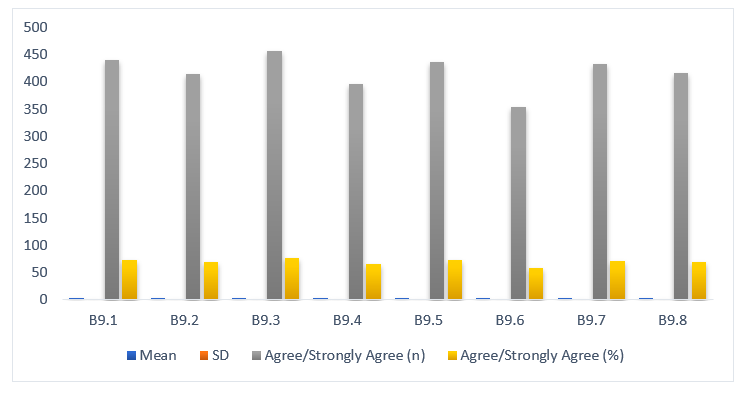
Figure 1: Assessment of Emerging Drug-Culture Patterns
Conclusion and Recommendations
Drug culture among youths in the Niger Delta Region of Nigeria is an important public health and social development concern that requires attention to the social, economic, cultural, and environmental conditions that shape substance-use behaviour. The literature reviewed indicates that youth drug use cannot be adequately understood as an individual choice alone because peer relationships, family influences, economic circumstances, community attitudes, and the availability of psychoactive substances may collectively influence its emergence and persistence (Akers, 1998; Jacobs et al., 2020). Social influences, particularly peer pressure, family relationships, social networks, and exposure to substance-using individuals, may contribute to the normalisation of drug use among some young people. Economic difficulties, including unemployment and limited livelihood opportunities, may also create conditions in which some youths turn to substances as a coping mechanism, although these circumstances do not inevitably lead to drug use (Jacobs et al., 2020; National Bureau of Statistics [NBS] & United Nations Office on Drugs and Crime [UNODC], 2019). Cultural expectations and community norms may influence whether drug use is accepted, discouraged, or associated with particular social identities, while environmental conditions such as substance availability, access to recreational facilities, and the availability of counselling and treatment may influence exposure and prevention opportunities (McLeroy et al., 1988; Jacobs et al., 2020). These determinants are interconnected and may operate differently across urban, semi-urban, and rural communities in the Niger Delta.
The Social Learning Theory and Social-Ecological Model provide complementary explanations for these relationships by highlighting the roles of social interaction, reinforcement, community conditions, and institutional influences (Akers, 1998; McLeroy et al., 1988). Therefore, addressing youth drug culture requires a coordinated approach that combines individual education with family support, economic empowerment, culturally appropriate community engagement, environmental prevention measures, and accessible treatment services. However, the specific importance of each determinant in the Niger Delta must be established through empirical evidence rather than assumed from the literature alone.
Based on the literature reviewed, the following recommendations are proposed:
1. Strengthen youth drug education and awareness. Government agencies, schools, tertiary institutions, community organisations, and healthcare providers should implement evidence-informed drug education programmes that explain the health and social consequences of harmful substance use. These programmes should challenge misconceptions about drug use and equip young people with practical skills for resisting peer pressure and making informed decisions.
2. Promote positive peer relationships and family involvement. Parents, guardians, youth leaders, and community organisations should encourage open communication, responsible supervision, mentorship, and supportive relationships. Peer-led prevention initiatives may also help establish positive group norms and reduce the social acceptance of harmful substance-use practices.
3. Expand employment and skills-development opportunities. Government institutions, private-sector organisations, and development partners should strengthen vocational training, entrepreneurship support, career guidance, and youth employment programmes. Such initiatives may reduce economic vulnerability and improve access to constructive livelihood opportunities, although their effectiveness in reducing drug use should be evaluated rather than presumed.
4. Address cultural influences through community engagement. Traditional institutions, religious organisations, youth associations, and community leaders should participate in developing culturally appropriate prevention programmes. Community dialogue should challenge harmful social expectations that encourage substance use while respecting local traditions and avoiding the stigmatisation of young people who require assistance.
5. Improve environmental prevention and control measures. Relevant authorities should strengthen lawful and proportionate measures against the illegal distribution of controlled substances, improve community reporting mechanisms, and support coordinated prevention activities. Efforts should also include safer recreational spaces, youth centres, sports programmes, and accessible community services that provide alternatives to environments associated with harmful substance use.
Declaration of Competing Interest
The authors declare that they have no known competing financial interests or personal relationships that could have appeared to influence the work reported in this paper.
References
Ajayi, A. I., & Somefun, O. D. (2020). Recreational drug use among Nigerian university students: Prevalence, correlates and frequency of use. PLOS ONE, 15(5), Article e0232964. https://doi.org/10.1371/journal.pone.0232964
Akers, R. L. (1998). Social learning and social structure: A general theory of crime and deviance. Northeastern University Press.
Bandura, A. (1977). Social learning theory. Prentice Hall.
Braun, V., & Clarke, V. (2006). Using thematic analysis in psychology. Qualitative Research in Psychology, 3(2), 77–101. https://doi.org/10.1191/1478088706qp063oa
Chikezie, U. E., & Ebuenyi, I. D. (2019). Tramadol misuse in the Niger Delta: A review of cases presenting within a year. The journal, volume, pages, and DOI details previously supplied should be verified against the publisher's record.
Cochran, W. G. (1977). Sampling techniques (3rd ed.). John Wiley & Sons.
Doghord, R. F. (2025). Victims’ experiences of the causes of substance misuse and its crime and parenting nexus in Nigeria: A qualitative study. Verify the author and publication metadata against the journal record.
Ediomo-Ubong, N. (2025). Tramadol consumption as edgework: Intersections of pleasures and risks in the accounts of Nigerian youths. Verify the final issue, volume, pages, and DOI details.
Isabu, A. C., & Iwuagwu, T. E. (2023). Social environmental factors associated with the recent surge in psychoactive substance abuse among youths in a selected semi-urban community in South-South Nigeria. Nigerian Journal of Health Promotion, 14(1). https://journals.aphriapub.com/index.php/NJHP/article/view/1663
Jacobs, W., Amuta-Jimenez, A. O., Olusanya, O. A., Bristow, A. F., Adeloye, D., & Barry, A. E. (2020). Socio-ecological factors of adolescent substance use in Nigeria: A systematic review of literature. Journal of Health Care for the Poor and Underserved, 31(4), 1765–1784. https://doi.org/10.1353/hpu.2020.0131
McLeroy, K. R., Bibeau, D., Steckler, A., & Glanz, K. (1988). An ecological perspective on health promotion programs. Health Education Quarterly, 15(4), 351–377. https://doi.org/10.1177/109019818801500401
National Bureau of Statistics, & United Nations Office on Drugs and Crime. (2019). Drug use in Nigeria 2018. United Nations Office on Drugs and Crime. https://www.nigerianstat.gov.ng/elibrary/read/881
Nomayo, T., Ewhrudjakpor, C., & Ikenyei, N. S. (2024). Social and cultural factors influencing drug use: A comparative analysis of rural and urban communities of Delta State, Nigeria. Catalogue of Social Sciences Research, 1(2). https://nigerianjournalsonline.org/index.php/CSSR/article/view/2136
Setia, M. S. (2016). Methodology series module 3: Cross-sectional studies. Indian Journal of Dermatology, 61(3), 261–264. https://doi.org/10.4103/0019-5154.182410
UNICEF (2021). A publication was referred to in earlier introductory material, but its exact title and publication details were not established.
United Nations Office on Drugs and Crime. (2024). World drug report 2024. United Nations. https://www.unodc.org/unodc/en/data-and-analysis/world-drug-report-2024.html
Use of Psychoactive Substances among Students in a Nigerian University (2022). The complete author names, journal title, volume, pages, and DOI were not established.
World Health Organization. (n.d.). Drugs (psychoactive). https://www.who.int/health-topics/drugs-psychoactive
How to Cite This Article
Wokocha, C. L., Onyige, D. C. and Kpae, G. (2026). Social, Economic, Cultural, and Environmental Determinants of Drug Culture Among Youths in the Niger Delta Region of Nigeria. Advance African Research Bulletin, 2(1), 38-50. https://doi.org/10.70726/aarb.2026.9586006