
Review on the Contaminant Fate and Transport in the Environmental System
- a University of Port Harcourt
Highlights
- The study reviews contaminant fate and transport across soil, water, groundwater, and air.
- Examines hydrocarbons, heavy metals, organic pollutants, and plastic contamination.
- Highlights transport processes, transformation, sorption, dispersion, and biodegradation.
- Identifies anthropogenic activities as major sources of environmental contamination.
- Discusses evidence from Nigeria and the Niger Delta, particularly oil-related pollution.
- Emphasizes soil properties and climate influences on contaminant behaviour.
- Recommends improved data, site characterization, and advanced modelling for effective pollution management and remediation.
Abstract
Upon
entering the environment, chemicals are transported and distributed over the
various environmental compartments and may be transformed into other chemicals.
Chemical, biological, or radiological contaminants can seep into the soil and
enter groundwater, runoff into streams, or be transported through the air. The
most common pollution sources is the anthropogenic ones. This article reviews
the principles that govern the fate and transport of many classes of chemicals
in three major environmental media: surface waters, soil and groundwater (the
subsurface), and the atmosphere. Soils are the highest sinks for heavy metals
released into the environment by anthropogenic activities, while pollutants in
the environment can range from local to regional as well as transboundary as
pollutants capable of being transferred, dispersed, and stored in several
environmental components. Understanding the fate of these elements when
realised in the environment is critical in their management and clean-up. The
influence of climate and climate change on the fate of contaminants and
transport in the environment should be further reviewed and studied
extensively. Future research could be addressed to either enhance the existing
analytical models or to propose new advanced ones while preserving their
suitability for engineering applications to obtain a more realistic
representation of contaminant fate and transport in the environment.
Keywords
Introduction
Environmental
fate is what happens to a chemical or an organism once released into the
environment (EPA, 2000). After entering the environment, chemicals are
transported, distributed over the various environmental compartments and may be
transformed into other chemicals (van de Meent et al., 2010). Transport can
occur within a compartment, such as in air or soil, or between compartments
(e.g., air and water, air and soil or water and soil). Environmental
transformation involves chemical degradation or biodegradation (de Meent et
al., 2010). Transport refers to how environmental contaminants move in response
to wind, rain and human activities. Chemical, biological, or radiological
contaminants can seep into the soil and enter groundwater, runoff into streams,
or be transported through the air (EPA, 2000). The most common pollution
sources are the anthropogenic ones. This category generally includes the
disposal of wastewater and solid waste, disposal of industrial wastewater, use
of fertilisers, pesticides and insecticides, disposal of by-products and waste
from mining activities and nuclear energy waste (Talabi & Kayode, 2019).
Toxic substances including heavy metal(loid)s, such as arsenic (As), mercury (Hg), lead (Pb), cadmium (Cd), and chromium(VI) (Cr(VI)) and organic contaminants, such as polycyclic aromatic hydrocarbons (PAHs) (e.g., benzo[a]pyrene), persistent organic pollutants (POPs) (e.g., polychlorinated biphenyl) or emerging pollutants (e.g., per- and poly-fluoroalkyl substances, polybrominated biphenyls, etc. that present unique issues and challenges to environmental quality) have been detected in soils (Biswas et al., 2018). Few chemicals are restricted to only one medium; thus, chemical exchanges among the media must be considered (Yang & Yu, 2004). This article reviews the principles that govern the fate and transport of many contaminants in three major environmental media: surface waters, soil and groundwater (the subsurface), and the atmosphere. Although each medium has distinct characteristics, there are also many similarities (Figure 1). The mobility, persistence, and ultimate distribution of contaminants in environmental systems are controlled by fate and transport mechanisms (Figure 2).
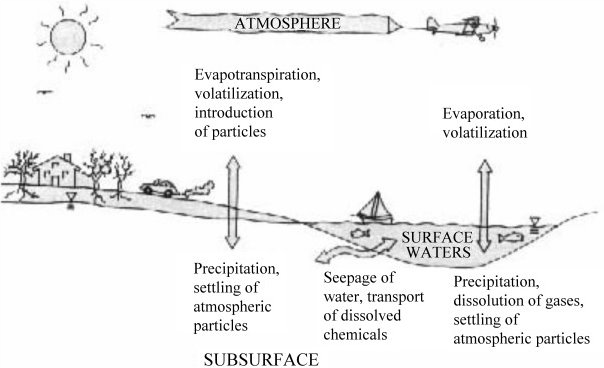
Figure 1: Three major environmental media
Source: Yang & Yu (2004)
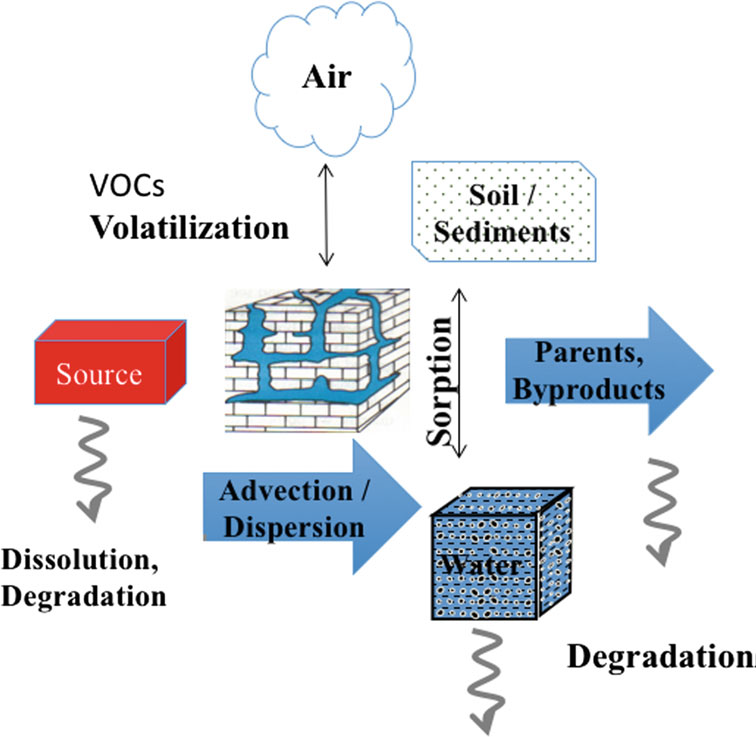
Figure 2: Processes affecting contaminant fate and transport
Source: Padilla and Vesper (2018)
The aspects involved in the fate and transport processes occurring in the environmental media are complex and interrelated: Contaminants with different physicochemical properties are carried in air and water phases by other transport mechanisms (advection and dispersion-diffusion). While moving, they may be simultaneously affected by reaction processes (sorption, abiotic transformation, biodegradation, etc.) (Viccione et al., 2020). The effectiveness of a fate and transport model in the unsaturated medium relies on an adequate characterisation of the site, as soil properties strongly affect hydrological, physical-chemical, as well as biological processes (Goyne et al., 2008; Viccione et al., 2020).
Fate and Transport Process
of Contaminants across Environmental Media
Concentration and potential exposure
are essential for gaining data on hydrocarbon distribution and behaviour
(Coulon et al., 2010; Olufemi et al., 2020). Transport and
transformation processes of hydrocarbons include the surface release of crude
oil and infiltration into the unsaturated zone, non-aqueous phase liquid (NAPL)
body partitioning near the water table, Increase in proportion of heavy
hydrocarbons because of attenuation of oil, and removal of heavy hydrocarbons
by biodegradation. Experts can predict the highest risk of hydrocarbon exposure
to human health and the environment from its transport and transformation
stages (Olufemi et al., 2020).
Spillage of crude oil in sufficient quantity enables its entrance into the soil subsurface to form the NAPL body at the water table. Soil properties (moisture, pore size, porosity, density, viscosity, surface tension) determine the extent and rate of infiltration. When soil permeability is high and crude viscosity is low, the degree and frequency of soil penetration by crude will increase (Olufemi et al., 2020). Migration stops when crude oil penetrates the soil, and the NAPL head cannot overcome the pore pressures of entry. Shayley et al. (2009) showed that the fate and toxicity of pollutants depend on their source, target, and leachability to the environment. Contaminants affect humans through inhalation, ingestion, dermal, or inhalation. Stavrianou (2007) showed that contaminant toxic properties, concentration, and exposure rate determine its adverse effect. Contaminants in runoffs pose a danger to species that depend on soil or water contaminated by this runoff.
Shayley et al. (2009) showed that the fate and toxicity of pollutants depend on their source, target, and leachability to the environment. Contaminants affect humans through inhalation, ingestion, dermal, or inhalation. Stavrianou (2007) showed that contaminant toxic properties, concentration, and exposure rate determine its adverse effect. Contaminants in runoffs pose a danger to species that depend on soil or water contaminated by this runoff. Shayley et al. (2009) showed that soil permeability, mineralogy, the potential of hydrogen (PH), moisture, temperature, porosity, and organic matter could intensify the fate of contaminants. Certain elements that biodegrade might mitigate the toxicity of waste or cause a synergistic effect with toxic waste. Obodai et al. (2011) and Ene et al. (2009) revealed that toxic heavy metals, soluble or suspended in water, could settle to the basal zone to bond with sediment or other biotas.
Soils are the highest sinks for heavy metals released into the environment by anthropogenic activities. Most heavy metal concentrations last long after release to the environment as they are not degradable and do not undergo chemical or microbial degradation (Olufemi et al., 2020). Heavy metals transported by runoff from industries, municipalities, and urban areas accumulate in the soil and sediments of water bodies (Musilovaet al., 2016). Humans suffer health problems as the concentrations of heavy metals increase in the food chain, and some of the health implications (Garcia-Nino and Pedraza-Chaverri, 2014).
Littered over the landscape or escaping from landfills, plastic trash makes its way to the sea (Geyer et al., 2017). Different sizes of plastics examined showed less microplastic at the sea surface than expected, given how much plastic litter is estimated to reach the ocean (Eriksen et al., 2014). China, Indonesia, the Philippines, Sri Lanka, and Vietnam—contribute more than half of ocean plastics (Tullo, 2018). The Great Pacific Garbage patch comprising polypropylene and polyethene is now 1 6 million km2, about three times the size of France. Fishing nets comprise over 46% of the plastic load, yet microplastics still seem missing from the area. The researchers estimate that rivers carry as much as 4 million tons of plastic debris to the sea each year. The ten top-ranked rivers transport up to 95% of the global load into the ocean (Schmidt et al., 2017). In a separate study, Lebreton found that two-thirds of the plastic pollution comes from the top 20 rivers, led by China's Yangtze River, India's Ganges River, and other rivers in Asia (Lebreton et al., 2017). Researchers found multiple contamination hotspots, with one location boasting about 517,000 microplastic particles per square meter—the highest concentration ever measured in freshwater. After winter-time record-breaking floods, the team sampled their sites again, finding a vast reduction in microplastic levels (Hurley et al., 2018).
Review Studies on Contaminant Fate and Transport in Nigeria's Environment
The resulting impact of this product and by-products as environmental pollutants can range from local to regional and transboundary as pollutants capable of being transferred, dispersed, and stored in several environmental components (Khalid et al., 2020). Globally, oil spill holds significant interest due to their potential human health risk impact and long-term effect on environmental quality. In Europe, 340,000 potentially contaminated sites will increase by 2025 (Ugwuoke & Oduoza, 2020). In Nigeria, according to UNEP (2011) and Sam et al. (2016), oil exploitation and exploration activities in the Niger Delta have led to various levels of contamination of over 2000 sites in the region, while environmental impact due to remediation activities have also increased along the line (Huysegoms & Cappuyns, 2017; Ugwuoke & Oduoza, 2020). Aside from hydrocarbons, heavy metals (HMs) are other active elements found in crude oil, and they pose serious environmental and health risks to the surrounding organisms (Ustaoglu, 2020). Understanding the fate of these elements when realised in the environment is critical in their management and clean-up (Logeshwaran et al., 2018), considering their potential toxicity, persistence, non-degradability and bioaccumulation (Ustaoglu & Tepe, 2018; Ali et al., 2019). When HMs are released into the environment components such as soil, their physicochemical properties influence their environmental fate in which they move through the soil into the groundwater through infiltration and move away from the point source to other components such as surface water and sediment (Logeshwaran et al., 2018).
A study conducted by Afolabi and Adesope (2022) noted the presence of heavy metals in a stream from a nearby oil field due to the transport process from the point source. The study further established the mobility of heavy metals to the subsoil at a non-point source of about 500m away from the spilt site. One of the consequences of landfill systems is the emission of leachate, which can contaminate the surrounding environment, including groundwater (Afolabi et al., 2022a). Leachate infiltration from an abandoned landfill system in Port Harcourt city was noted to have caused contamination of groundwater with heavy metals such as Nickel (Ni) and Lead (Pb) (Afolabi et al., 2022a). A similar study from Afolabi et al. (2022b) noted that despite years of landfill abandonment, the soil from the surrounding is still contaminated with various concentrations of heavy metals.
Kale et al. (2018) monitored volatile organic compounds (VOCs) across different media (water, soil, and air) in Ogoniland in the Niger Delta region, which showed the concentration of benzene and naphthalene that exceeded the risk benchmark, creating a need for further studies to characterise VOC sources, exposures, and associated health risks in the Niger Delta. Agari (2018) showed the amount of inorganic NPK fertiliser, organic fertiliser, and activated carbon determines the removal rate of weathered crude oil as the microbial density and activity of the soil, which enhances the biodegradation of hydrocarbon and reduces the time and cost of bioremediation. Ogwugwa et al. (2018) collected samples from five communities in Ogoniland and found that the heavy metal concentration in these sampled sites exceeded the maximum limit set by the Standard Organization of Nigeria. The results show that barium had the highest heavy metal concentration because of using barium sulfate to increase oil density during drilling operations. Elijah et al. (2015) tested a comparative biodeterioration of nylon by three species of weevils (Tribolium, Sitophilus, and Oryzaephilus) using three types of plastic types and two substrates (plantain flour and rice) for six weeks. The number of borings or holes was considered as an index of biodeterioration. The number of borings increased from the first week to week 6 (P<0.05); the substrate and types of plastic bags used affected plastic degradation (P<0.05). The order of preference for biodeterioration is thin black > thick transparent> thin transparent plastics, plantain being the preferred substrate.
According to Biswas et al. (2018), heavy metal (loid) and organic contaminants are two major groups of pollutants in soils. The fate and exposure of such contaminants in soil depend on their chemical properties, speciation, and soil properties. Soil properties and processes that control the toxicological aspects of pollutants include temperature, moisture, organic matter, mineral fractions, and microbial activities. These processes are vulnerable to climate change associated with global warming, including increased incidences of extreme rainfall, extended dry periods, soil erosion, and rising sea levels. The influence of climate and climate change on the fate of contaminants and transport in the environment should be further reviewed and studied extensively.
Conclusion
The assessment and prediction of contaminant fate, transport, and potential environmental exposure is often limited by a lack of data and information and limitations in efficient numerical modelling tools for these systems. Uncertainty is related to spatiotemporal variability in the hydrogeological, biochemical, and anthropogenic characteristics influencing the fate and transport processes in the system. Future research could be addressed to enhance the existing analytical models or propose new advanced ones while preserving their suitability for engineering applications to obtain a more realistic representation of contaminant fate and transport in the environment.
References
Afolabi, O. O., Wali, E., Ihunda, E. C., Orji, M. C., Emelu, V. O., Bosco-Abiahu, L. C., Ogbuehi, N. C., Asomaku, S. O., Wali, O. A. (2022a). Potential environmental pollution and human health risk assessment due to leachate groundwater contamination from anthropogenic impacted sites. Environmental Challenge, 9:100627. https://doi.org/10.1016/j.envc.2022.100627
Afolabi, O. O., Wali, E., Ihunda, E. C., Asomaku, S. O., Yemi-Jonathan, O. I. T., Ogbuehi, N. C., Bosco-Abiahu, L. C., Orji, M. C. & Emelu, V. O. (2022b). Health and environmental risk assessment of toxic metals and metalloids burdened soil due to anthropogenic influence. Environmental Chemistry and Ecotoxicology, 5:29–38. https://doi.org/10.1016/j.enceco.2022.12.002
Agari, S. E. (2018). Evaluation of the effects of inorganic and organic fertilisers and activated carbon on bioremediation of soil contaminated with weathered crude oil. J. Appl. Sci. Environ. Manage. 22(4) 587-595. DOI: http://dx.doi.org/10.4314/jasem.v22i4.27
Ali, H., Khan, E., Ilahi, I. (2019). Environmental chemistry and ecotoxicology of hazardous heavy metals: environmental persistence, toxicity, and bioaccumulation. J. Chem., 6730305, https://doi.org/10.1155/2019/6730305
Biswas, B., Qi, F., Biswas, J. K., Wijayawardena, A., Khan, M. A. I. and Naidu, R. (2018). The Fate of Chemical Pollutants with Soil Properties and Processes in the Climate Change Paradigm—A Review. Soil System, 2, 51; doi:10.3390/soilsystems2030051
Coulon, F., Whelan, M.J., Paton, G.I., Semple, K.T., Villa, R., Pollard, S.J. (2010). The multimedia fate of petroleum hydrocarbons in the soil: Oil matrix of constructed piles. Chemosphere, 81, 1454–1462, https://doi.org/10.1016/j. Chemosphere.2010.08.057
Ene A., Boşneagă A., and Georgescu L. (2009). Determination of Heavy Metals in Soils using XRF Technique, University of Galati, Faculty of Sciences, Chemistry Department, 111 Domneasca St, 800201 Galati, Romania, 815-820. Environmental Science and Technology, 45, 8741–8747, https://doi.org/10. 1021/es202983k
Elijah I. O, Dorcas D. B, Diepreye E., and Ekeh N. P. (2015). Biodeterioration of plastics by weevils; an environmental and stored food product perspective. International Journal of Geology, Agriculture and Environmental Sciences, 3(1), 51-55
Eriksen, M., Lebreton, L.C.M., Carson, H.S., Thiel, M., Moore, C.J., Borerro, J.C., Galgani, F., Ryan, P.G., Reisser, J. (2014). "Plastic Pollution in the World's Oceans: More than 5 Trillion Plastic Pieces Weighing over 250,000 Tons Afloat at Sea" PLoS ONE. 9(12): e111913
Garcia-Nino W.R., Pedraza-Chaverri J. (2014).Protective effect of curcumin against heavy metals induced liver damage. Food and Chemical Toxicology, 69:182-201
Goyne, K. W.; Jun, H. J.; Anderson, S. H.; Motavalli, P. P. (2008). Phosphorus and nitrogen sorption to soils in the presence of poultry litter-derived dissolved organic matter. J. Environ. Qual. 2008, 37, 154–163, doi:10.2134/jeq2007.0141
Huysegoms, L. and Cappuyns, V. (2017). Monetisation coupled with Life Cycle Assessment compared to Cost Benefit Analysis: a site remediation case study. In 14th International Conference on Sustainability Use and Management of Soil, Sediment and Water Resources-Book of abstracts, (2017), June. (p. 247)
Kale Z. K. (2018). Elevated indoor volatile organic compound exposure in the Niger Delta region of Nigeria. International Journal of Environmental Research and Public Health, 15, 1939; doi.103390/ijerph 15091939.
Khalid, S., Shahid, M., Murtaza, B., Bibi, I., Natasha, N. M., Niazi, N. (2020). A critical review of different factors governing the fate of pesticides in soil under biochar application. Sci Total Environ 711:134645, doi: 10.1016/j.scitotenv.2019.134645.
Lebreton, L., Slat, B., Ferrari, F., Sainte-Rose, B., Aitken, J., Marthouse, R., Hajbane, S., Cunsolo, S., Schwarz, A., Levivier, A., Noble, K., Debeljak, P., Maral, H., Schoeneich-Argent, R., Brambini, R., and Reisser, J. (2018). Evidence that the Great Pacific Garbage Patch is rapidly accumulating plastic. Sci Rep. 8(1): 4666
Logeshwaran, P., Megharaj, M., Chadalavada, S., Bowman, M. and Naidu, R. (2018). Petroleum hydrocarbons (PH) in groundwater aquifers: An overview of environmental fate, toxicity, microbial degradation and risk-based remediation approaches. Environ. Techn. Inno., 17. https://doi.org/10.1016/j.eti.2018.02.001
Musilova J., Arvay J., Vollmannova A., Toth T., Tomas J. (2016). Environmental contamination by heavy metals in the region with previous mining activity. Bulletin of Environmental Contamination and Toxicology, 97:569-575
Obodai E.A. et al. (2011). The concentration of Heavy Metals in two Ghanaian Lagoons. Archive of Applied Science Research, 3 (3); 177-187.
Ogwugwa V. H., Ogwugwa J., Idowu O. K., Nwadike B. I., Falodun O. I, Fagade O. E. (2018). Heavy metals, risk indices, and its environmental effects: A case study of Ogoniland , Niger Delta region of Nigeria. International Academy of Ecology and Environmental Sciences, 8(3): 172-182
Olufemi, O. A., Jacinta, N. J. and Andrew, O. (2020). Review on the Fate of Contaminants in the Niger Delta Environment. Journal of Environment and Earth Science, 10 (5), 48-63
Padilla, I. Y. and Dorothy J. Vesper, D. J. (21018). Fate, Transport, and Exposure of Emerging and Legacy Contaminants in Karst Systems: State of Knowledge and Uncertainty. W.B. White et al. (eds.), Karst Groundwater Contamination and Public Health, Advances in Karst Science, DOI 10.1007/978-3-319-51070-5_5
Shayley H., McBride M, and Harrison E. (2009). Sources and Impacts of Contaminants in Soils. Cornell Waste Management Institute, .pp.1-6.
Stavrianou, W. (2007). The Western Australian Contaminated Sites Act 2003: The Applicability of Risk Assessment as a basis for the Assessment and Management of Site Contamination. 1-92.
Schmidt, C., Krauth, T., and Wagner, S. (2017). Export of Plastic Debris by Rivers into the Sea. Environ. Sci. Technol. 51(21), 12246-12253
Talabi, A. O. and Kayode, T.J. (2019) Groundwater Pollution and Remediation. Journal of Water Resource and Protection, 11, 1-19. https://doi.org/10.4236/jwarp.2019.111001
Tullo, A.H. (2018). "Fighting ocean plastics at the source" Chem. Eng. News. 96(16); available online at https://cenacs.org/materials/polymers/Fighting-ocean-plastics-source/96/i16
Ugwuoke, O. S. and Oduoza, C. F. (2020). Framework for Assessment of Oil Spill Site Remediation options in Developing Countries a Life Cycle Perspective. Procedia Manufacturing, 38 (2019), 272–281, https://doi.org/10.1016/j.promfg.2020.01.036
Ustaoğlu, F. (2020). Ecotoxicological risk assessment and source identification of heavy metals in the surface sediments of Çömlekci stream, Giresun, Turkey. Environ. Foren., https://doi.org/10.1080/15275922.2020.1806148
van de Meent, D., Hollander, A., Peijnenburg, W. and
Breure, T. (2010). Fate and Transport of Contaminants. Francisco Sánchez-Bayo, Paul J. van den Brink
and Reinier M. Mann (Eds). Ecological Impacts of Toxic Chemicals, pp. 13-48 13
Viccione, G., Stoppiello, M. G., Lauria, S. and Cascini, L. (2020). Numerical Modeling on Fate and Transport of Pollutants in the Vadose Zone. Environ. Sci. Proc. 2 (34); doi:10.3390/environsciproc2020002034
Yang, X and Yu, G. (2004). Point Sources Of Pollution: Local Effects And It’s Control – Vol. II - Contaminant Fate and Transport Process
How to Cite This Article
Afolabi, O. O. (2024). Review on the Contaminant Fate and Transport in the Environmental System. Environmental Monitoring and Pollution Studies, 1(1), 1-6. https://doi.org/10.70726/emps.2024.6575001